
Many homeowners ask us how to put sprinklers in a yard without running into issues later. The truth is, the process looks simple at first glance, but it involves several moving parts that need to fit together smoothly. Our team explains each step to clients all the time, so this guide follows the same clear style we use during in-person conversations.
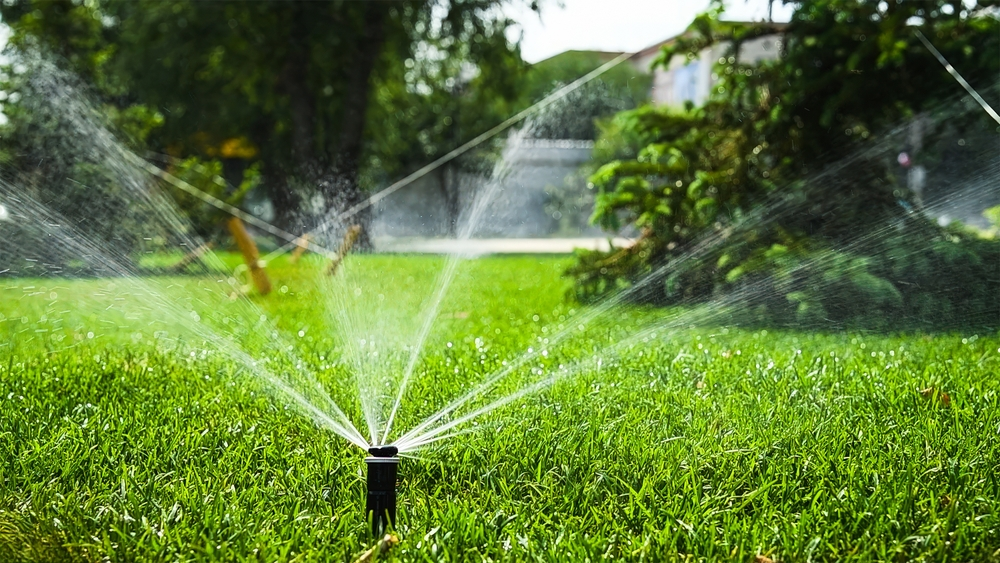
Before digging, the yard needs a plan. A good system gives every area the right amount of water, avoids dry spots, and fits naturally into the landscape. Our landscape design & installation team often builds sprinkler systems into full outdoor layouts, which helps everything look clean and intentional.
Planning matters, because the yard’s slope, soil, and plant types all affect water flow. For example, clay soil holds moisture longer, while sandy soil drains fast. The sprinkler layout has to match these conditions so plants get consistent care.
How to Put Sprinklers: Step-by-Step Basics Explained Clearly
Below is a simplified walk-through we give homeowners who want to understand what goes into how to put sprinklers. Even though we handle the full job, knowing the process helps you see why professional installation prevents headaches later.
1. Create a Detailed Layout
A layout shows where each pipe and sprinkler head will sit. This part takes time because every zone needs the right spacing.
- A layout helps avoid uneven watering. If heads are too far apart, the yard may end up with dry patches. If they’re too close, water may pool in certain spots, which harms the grass over time.
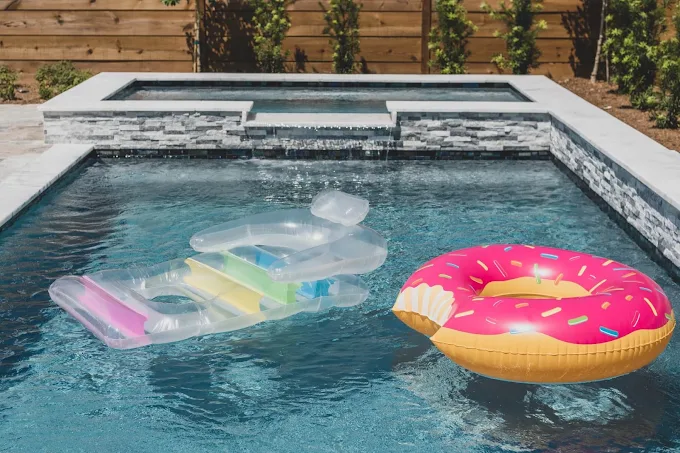
- A layout also shows how the system will tie into other outdoor spaces, such as patios, pools, and walkways. When our outdoor living spaces construction team updates a yard, we often adjust the irrigation layout to support new garden beds or stone features.
2. Check Water Pressure
Sprinklers only work well if the home’s water pressure supports the system.
- Low pressure causes weak spray patterns and uneven coverage.
- High pressure can damage heads or waste water.
We measure the pressure ahead of time so each zone performs the way it should.
3. Mark Utility Lines
Before digging, it’s important to mark utility lines. You can check with your local Call Before You Dig service, such as the national 811 resource. This prevents damage to underground utilities.
4. Dig Trenches for the Pipes
Trenches need to be deep enough to protect pipes from temperature changes and foot traffic.
- Shallow trenches can lead to cracked pipes during cold snaps.
- Deeper trenches help keep the water line steady and out of harm’s way.
5. Connect the Pipes
PVC or polyethylene pipes are laid in the trenches and connected with fittings.
- Straight runs, turns, and split zones all require tight connections so leaks don’t form later.
- The pipe material is chosen based on yard size, soil type, and sprinkler head needs.
6. Add Sprinkler Heads
Each area receives a head designed for that space.
- Spray heads cover smaller zones like flower beds.
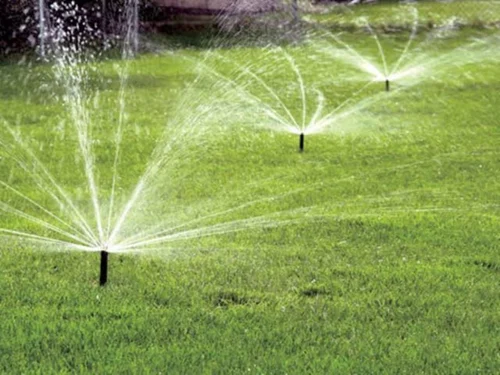
- Rotors cover larger open areas. This is where real skill matters. Proper spacing and angle adjustments decide whether the yard gets even coverage.
7. Install the Controller
The controller acts like the brain of the system.
- It tells each zone when to start and stop.
- It can be programmed for different seasons and watering needs.
Many homeowners switch to smart controllers that reduce unnecessary watering.
8. Test the System
We test each zone, check for clogs, and adjust the spray patterns. This part often surprises homeowners because small tweaks make a big difference. A slight turn of a nozzle can transform weak coverage into a full, even spray.
How to Put Sprinklers vs. How to Lay Irrigation System
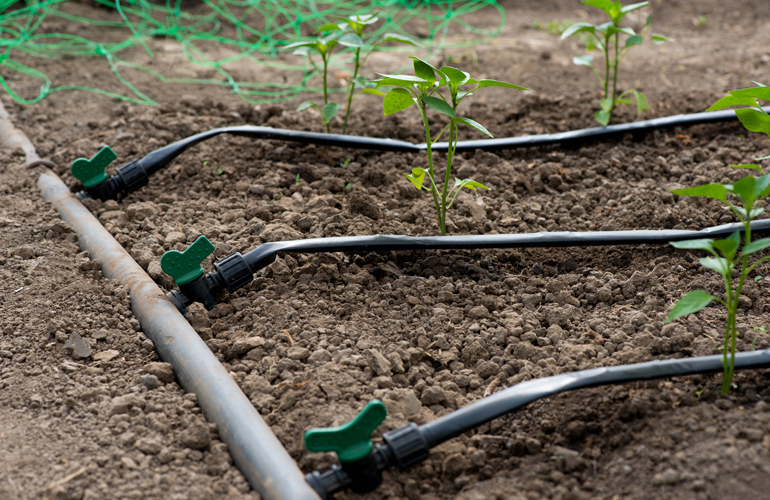
Some clients ask whether how to put sprinklers is the same as how to lay irrigation system. The terms sound similar, but sprinklers are only one part of a complete irrigation setup.
A full irrigation system includes:
- Water lines, which move water from the source to each zone. These lines need solid connections and careful planning so water flows without issues for many years.
- Valves, which control pressure and direct water to the right zones. Valves must be placed in accessible areas so maintenance stays simple and quick.
- Timers and controllers, which automate watering schedules. A strong controller helps reduce wasted water and keeps plants healthy, even during hotter months.
- Sprinkler heads, which apply the water. Proper spacing and head selection help create smooth coverage across the entire yard.
This broader system matters because sprinklers alone don’t guarantee dependable watering. When everything works together, the yard receives steady care with less effort from the homeowner.
Why Hire Miller Outdoors for Irrigation System Installation?
Irrigation projects involve more than digging a trench and setting a few heads in the soil. Homeowners often call us after trying a DIY project that didn’t turn out the way they expected. Our team steps in, corrects uneven spray patterns, fixes leaks, and redesigns the layout so water reaches every part of the yard smoothly.
Hiring Miller Outdoors saves time and protects your landscape investment. Whether you’re refreshing a lawn, building a new garden, or planning a full renovation with patios, lighting, and plant beds, our irrigation work supports the entire space. You can even use our landscape design cost calculator to estimate your next project.
We also work hand-in-hand with our pool design & construction team when clients build a pool. The sprinkler system has to be adjusted to match the new outdoor layout, and our team handles that coordination smoothly.
For those ready to begin planning, you can schedule a discovery call with us anytime.
Contact Miller Outdoors for Complete Irrigation System Installation in New Orleans
Knowing how to put sprinklers gives you a clearer idea of what happens during an installation. While the basic steps seem easy on paper, real success comes from careful planning, the right tools, and skilled adjustments. Miller Outdoors handles the full process, from layout to testing, so your yard receives smooth, even watering for years.
If you’re thinking about new sprinklers or a full irrigation system installation, our team is here to help.
Reach us at (504) 452-3131 or send a message through our contact page.
Your yard deserves dependable care, and our team is ready to build a system that fits your space perfectly.
FAQs About How to Put Sprinklers
How long does it take to install a sprinkler system?
Most average yards take a few days, depending on layout, soil type, and how many zones are needed.
Does a sprinkler system use a lot of water?
When set properly, a system uses less water than hand-watering. A controller keeps the schedule consistent and avoids overwatering.
Can sprinklers work with existing landscaping?
Yes. We often adjust sprinkler layouts to support new plant beds, edging, and outdoor features.
Do sprinkler systems need maintenance?
Yes, but maintenance is simple. Seasonal adjustments, nozzle cleanings, and occasional checks keep the system running well.