A swimming pool can be more than a place to cool off. With the right features, it can become a comfortable part of the backyard where family and friends can relax, gather, and spend more time outside. One feature that can change the look and feel of a pool is a waterfall for the pool.
A pool waterfall can be built into natural-looking rockwork, raised walls, pool structures, or other custom features. The water moves from an upper point back into the pool, creating motion and a steady water sound. For some homeowners, that extra detail is exactly what makes the pool area feel finished. For others, the added upkeep needs careful thought before construction starts.
Miller Outdoors helps New Orleans-area homeowners plan pool features that fit the pool, the yard, and the way the space gets used. A waterfall can be a smart addition, but the best result starts with good planning, proper equipment, and a layout that fits the rest of the outdoor space.
What Does a Waterfall for the Pool Add to a Backyard?
A waterfall changes more than the appearance of a pool. For example, moving water can make a backyard feel calmer and help cover some nearby sounds from traffic, neighbors, or outdoor equipment. At the same time, the feature adds movement to an area that can otherwise look flat when the pool isn’t being used.
A custom waterfall can fit many pool styles. A natural-style pool may use stone or rock shapes, and a cleaner modern pool may use a straight spillway or raised wall. The feature can work with a new pool design and construction project or become part of a larger pool renovation.
Homeowners searching for waterfall pools for the house often see large resort-style examples online. Still, a home pool doesn’t need a huge structure to get the same relaxing effect. The size, drop, water flow, and finish can be adjusted to fit the space.
What Are the Benefits of a Waterfall for the Pool?
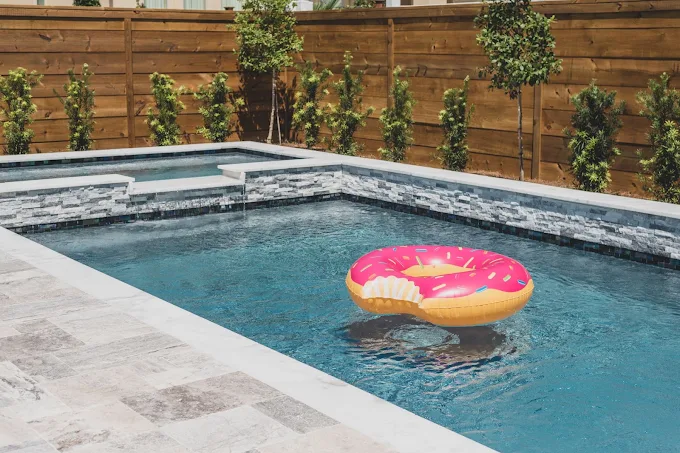
A well-built pool waterfall can bring several practical and visual benefits. The feature should fit the pool rather than look like an add-on placed there at the last minute.
It Creates a Strong Focal Point
Instead of having a plain edge on every side, the pool gains an area that naturally draws attention. For that reason, a waterfall often works well near seating, a patio, or another part of the yard where the feature can be seen and heard.
It Can Create a More Relaxing Setting
The steady sound of falling water can soften some background noise and make the pool area feel more private. In many backyards, this small change makes time outside feel more restful without taking up much extra usable space.
It Can Tie the Yard Together
Stone, masonry, tile, and nearby planting beds can make the pool feel like part of a larger backyard plan. Miller Outdoors can pair the pool with yard design and installation services so each part of the property works well together.
It Can Complete an Outdoor Gathering Area
A pool often sits next to patios, kitchens, fire features, seating areas, or covered structures. When the full space is planned together, a waterfall can support a more comfortable setup for relaxing and entertaining. Miller Outdoors can include the feature within an outdoor living space design and construction project.
Is a Waterfall for the Pool Worth the Extra Cost?
For many homeowners, the answer depends on how much the feature will be used and enjoyed. A waterfall adds materials, plumbing, a pump or shared circulation setup, and labor. Larger rock features can raise the cost further since the structure needs to fit the pool safely and direct water where it belongs.
At the same time, a smaller spillway can create a strong visual effect without taking over the yard. New pool projects often give the builder more freedom to place lines, equipment, and structural support from the start. Homeowners planning a new pool can review pool installation services with Miller Outdoors and decide where a waterfall fits before construction begins.
If the project includes changes beyond the pool, the project cost calculator can give homeowners a starting point for planning a larger backyard budget.
How Much Maintenance Does a Waterfall for the Pool Need?
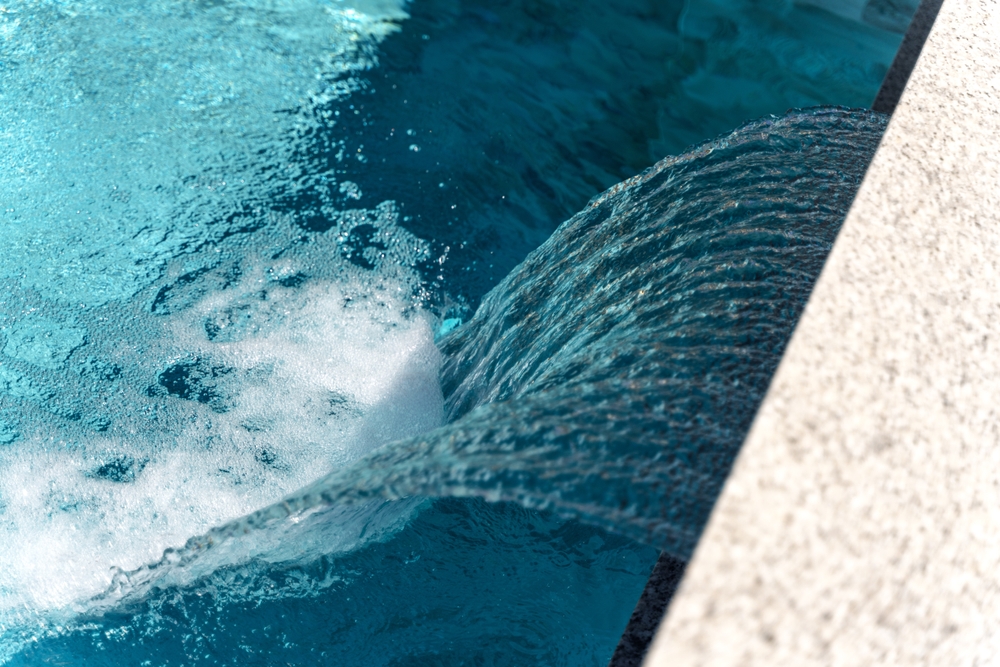
Pool waterfalls need regular care, yet upkeep is usually manageable when the feature has the right plumbing and equipment. The biggest tasks involve keeping the water balanced, watching the flow, cleaning surfaces, and checking the pump or valves.
The CDC recommends regular testing of chlorine and pH in residential pools, since proper water balance supports swimmer comfort and helps protect pool pipes and equipment. Homeowners can review CDC guidance for home pool water treatment and testing for more pool-water care information.
A few maintenance habits can help keep a waterfall for the pool running well:
Watch the water flow from week to week.
A weaker stream can point to a clogged intake, dirty filter, closed valve, low water level, or pump issue. Catching a small change early can keep it from turning into a larger repair.
Clean the waterfall surfaces as buildup appears.
Mineral marks, algae, leaves, and dirt can collect around wet surfaces. Gentle cleaning that matches the surface material helps keep the feature looking clean without damaging stone, tile, grout, or finish materials.
Check for leaks around the feature.
Water should return to the pool, not disappear behind rockwork or run into nearby soil. If the pool water level drops faster than normal, a service visit can help find out whether the waterfall, plumbing, or another pool area is leaking.
Keep pool water chemistry in range.
Water chemistry affects the pool, pipes, pump, and waterfall surfaces. Regular testing and normal pool care can reduce staining, scale, corrosion, and other problems that may shorten the life of equipment.
What If a Waterfall for the Pool Quits Working?
A common search from pool owners is, “the waterfall for my pool quit working.” In many cases, the cause is fairly simple, but guessing can waste time or create a bigger problem.
Start by checking the pool water level and looking for an obvious blockage near the intake. Next, look at the filter pressure and any valves that control the waterfall line. If the pump sounds unusual, the flow stops completely, or water appears where it shouldn’t, switch the feature off and schedule service.
A waterfall that suddenly loses flow may have a clogged line, valve issue, pump problem, air leak, or electrical fault. Older features may need repairs to plumbing or worn equipment. If the waterfall sits in an older pool that needs broader work, Miller Outdoors can review the feature as part of a pool renovation.
How Can Miller Outdoors Plan a Waterfall for the Pool?
The best waterfall starts with the pool layout, available space, equipment location, desired sound level, and preferred look. Miller Outdoors can plan the feature during a new pool build or review ways to add it during a renovation.
The goal is to create a feature that looks right from the main viewing areas, sends water back into the pool cleanly, and fits the rest of the backyard. Material choice matters too. Stone, tile, masonry, and other finishes can change the style and the amount of cleaning the feature may need.
For homeowners planning several upgrades at once, Miller Outdoors can connect the pool feature with yard design, patios, seating areas, and other outdoor improvements instead of treating each piece as a separate project.
Contact Miller Outdoors for Pool Design and Installation in New Orleans
A pool waterfall can be worth the investment for homeowners who want more movement, a relaxing water sound, and a stronger visual feature around the pool. The key is matching the size and style to the yard, then planning the plumbing and equipment so maintenance stays reasonable.
Miller Outdoors can help plan a waterfall for the pool as part of a new pool, renovation, or larger outdoor project in the New Orleans area. To talk through ideas, call (504) 452-3131, visit the Miller Outdoors contact page, or schedule a discovery call.
FAQs About a Waterfall for the Pool
Does a Waterfall for the Pool Run All the Time?
No. Many pool waterfalls can be turned on when homeowners want the sound and visual effect, then turned off at other times. The exact setup depends on the plumbing, pump, controls, and how the feature connects to the pool circulation system.
Can a Waterfall for the Pool Be Added to an Existing Pool?
Yes, many existing pools can support a new water feature. The builder needs to review the pool structure, deck, equipment, plumbing access, and available room first. In some cases, adding the waterfall during a larger renovation makes the work cleaner and gives more options for the finished layout.
Can a Waterfall for the Pool Cause Water Loss?
Some water loss can happen from splash and evaporation, especially when the water drops from a greater height or strong wind pushes spray outside the pool. A properly planned feature should direct most of the water back into the pool. A sudden drop in pool level can point to a leak and should be checked.
Does a Waterfall for the Pool Need a Separate Pump?
It depends on the design. Some waterfalls use the pool’s circulation setup, and others use separate equipment. The right choice depends on the desired flow, feature size, plumbing layout, and equipment capacity.