
A worn pool surface can change how the entire backyard feels. Stains, rough spots, fading, cracks, and exposed aggregate can make an otherwise attractive pool look older than it is. Resurfacing gives the interior a fresh finish and can address surface wear before it becomes a bigger problem.
For many homeowners, the first question is price. Pool resurfacing cost can vary widely based on the finish you pick, the size and shape of the pool, the condition of the existing surface, and the amount of prep work needed. Recent 2026 national cost data places many resurfacing projects in the $6,000 to $15,000 range, with an average near $11,000 for a 1,000-square-foot pool. Local pricing in the New Orleans area can land above or below that range, so these numbers work best as a planning guide rather than a quote.
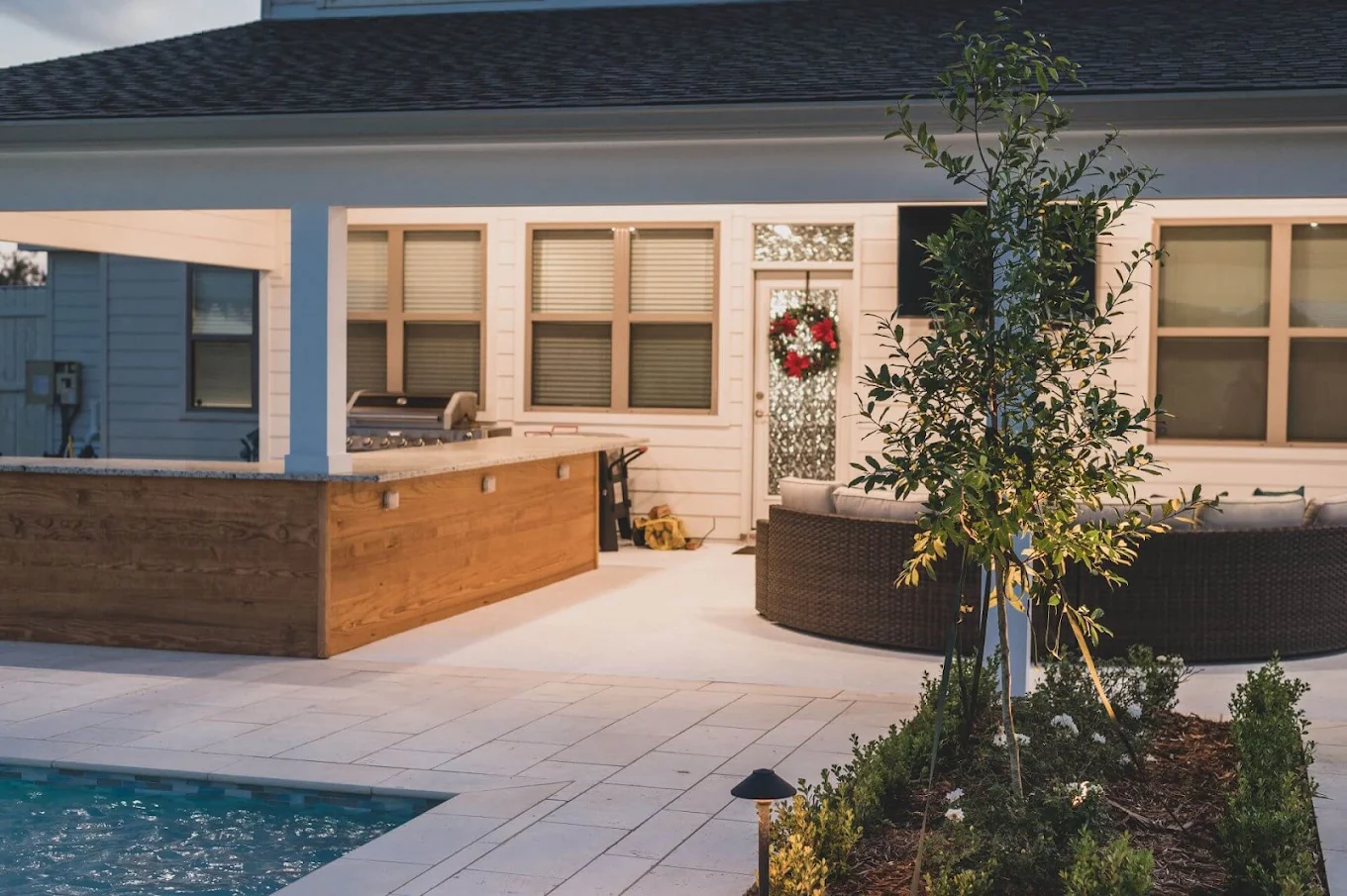
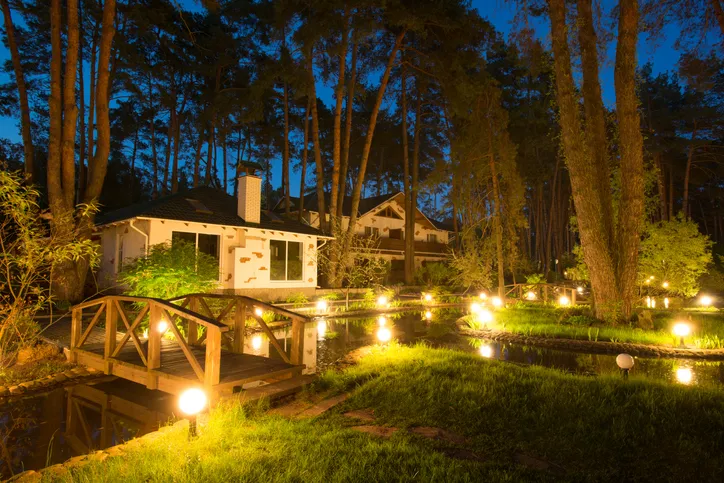
At Miller Outdoors, we look at the pool as part of the full backyard. A resurfacing project may be the right time to rethink tile, coping, decking, lighting, water features, or the areas around the pool. Our pool design and construction service can help you plan those changes as one connected project.
What Affects Pool Resurfacing Cost?
The finish gets most of the attention, but the pool resurfacing cost depends on more than material alone. The crew still needs to drain the pool, remove or prepare the old surface, repair problem areas, apply the new finish, and get the pool ready for water again.
A few cost factors tend to matter most:
Pool size and shape
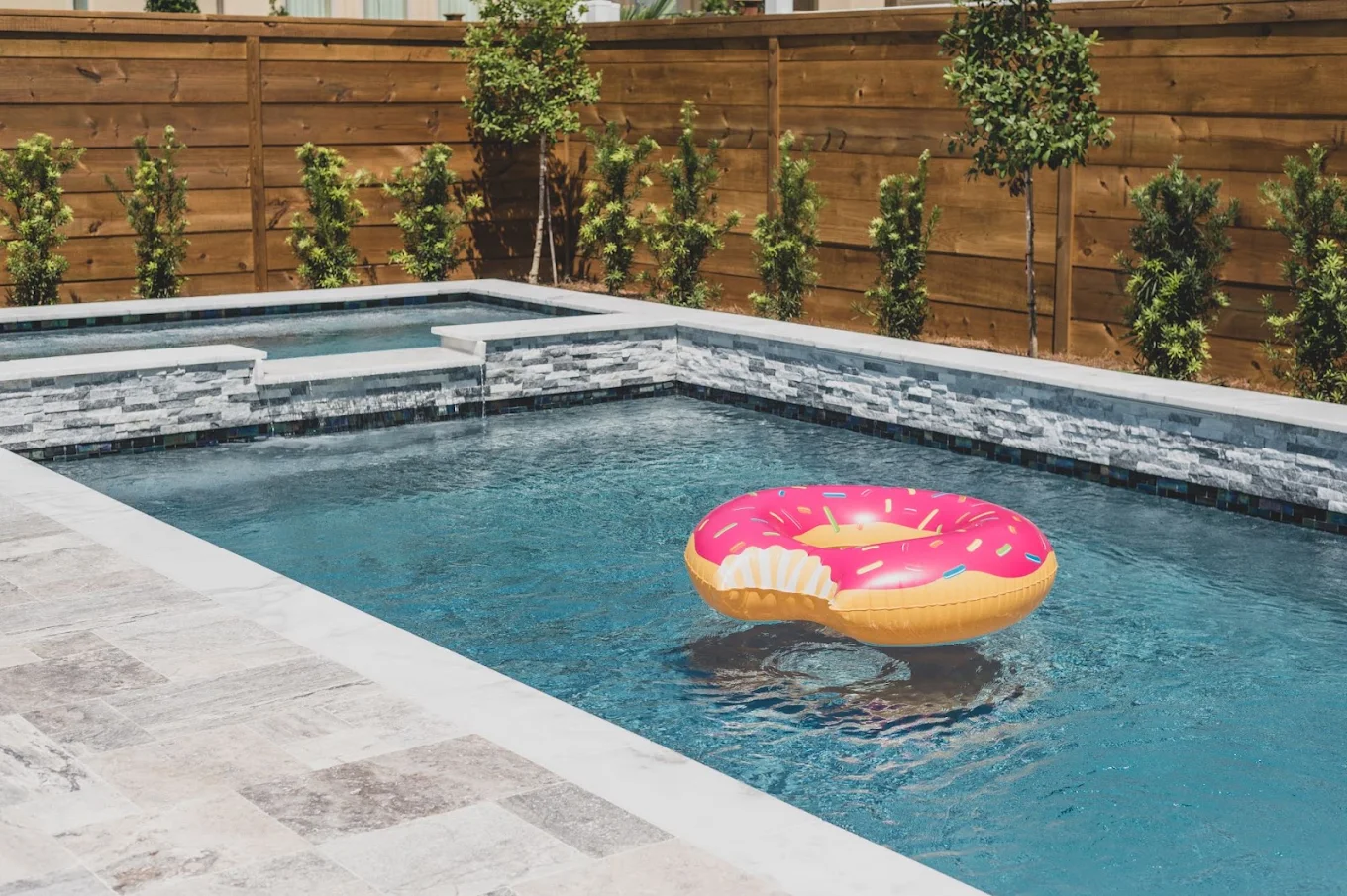
A larger pool needs more material and more labor. Curves, raised spas, steps, tanning ledges, benches, and other detailed areas can add work compared with a basic rectangle. That extra work can raise the cost of resurfacing a pool.
Condition of the shell
Small surface wear is one thing. Cracks, hollow areas, leaks, damaged tile, or failing plaster can call for repairs before the new finish goes on. Fixing the base gives the new surface a better chance to last.
Access to the backyard
Tight gates, limited equipment access, and hard-to-reach work areas can slow the job down. New Orleans properties can vary quite a bit in layout, so access needs to be checked early.
Finish choice
Standard plaster is often less expensive. Quartz, pebble, exposed aggregate, and tile can add durability and a different look, but the material and labor costs rise.
Extra pool updates
New coping, waterline tile, lights, drains, decking, or water features can turn a simple resurfacing job into a larger renovation. In that case, the total pool remodel cost can be much higher than resurfacing alone.
Plaster Pool Resurfacing Cost: A Lower-Cost Starting Point
Plaster remains one of the most common pool finishes, and it often gives homeowners one of the lower starting prices. A basic plaster resurfacing job may fall around $4,000 to $8,000 for many standard residential pools, though size, prep work, and local labor can move that number.
Plaster creates a clean, smooth surface and works well with many pool styles. White plaster gives water a classic light-blue look, and tinted plaster can shift the final color. The tradeoff is lifespan. Plaster can show stains, rough areas, and wear sooner than some aggregate finishes, especially if water chemistry stays out of balance.
So, plaster can make sense when keeping pool resurfacing cost lower matters more than getting the longest possible finish life.
Quartz Pool Resurfacing Cost: More Durability Without Going Fully Premium
Quartz finishes mix plaster with quartz aggregate. That combination gives the surface more texture, more color choices, and better resistance to everyday wear than basic plaster in many cases.
For planning, quartz resurfacing may land around $5,000 to $10,000 or more for a typical residential pool. The final number changes with the quartz blend, color, pool size, surface condition, and installation details.
Quartz can be a good middle option. It costs more than plain plaster, yet it can offer a longer service life and a richer finish. If you want a pool that feels updated without jumping straight to a higher-priced pebble or tile interior, quartz deserves a look.
Pebble Pool Resurfacing Cost: Higher Price With a Longer Service Life
Pebble finishes use small natural stones mixed into the pool finish. The result has a more textured appearance and can create deeper blue, teal, or lagoon-style water colors depending on the mix.
A pebble pool resurfacing cost can start around $6,000 and reach $15,000 or more for larger or more detailed pools. Premium pebble blends, specialty colors, steps, spas, and detailed shapes can move the price higher.
The higher upfront price can make sense for homeowners who plan to stay in the home for years. Pebble finishes can last longer than basic plaster when installed and cared for correctly. At the same time, texture matters. Some pebble finishes feel rougher underfoot, so it helps to see and touch finish samples before making the final choice.
Tile Pool Resurfacing Cost: The Premium End of the Range
Tile can create a polished, custom look, but full pool tile sits near the highest end of pool resurfacing cost. Depending on the tile, pattern, pool size, and labor, a fully tiled pool can cost $15,000 to $30,000 or far more.
Ceramic and porcelain tile often cost less than premium glass tile. Small-format tile and detailed patterns can add labor since installation takes more time. A full tile interior can last a long time, yet the price means it isn’t the right fit for every budget.
One common way to get the look without tiling the entire interior is to use tile at the waterline, on steps, or around a spa, then use plaster, quartz, or pebble below the waterline.
Other Material Options That Change Pool Resurfacing Cost
Plaster, quartz, pebble, and tile cover many projects, but a few other options can come up.
Exposed aggregate finishes
These finishes can use stone, quartz, glass beads, or mixed aggregate. Pricing can sit near quartz or pebble depending on the product. The look can range from subtle to very decorative, so samples are useful before choosing.
Fiberglass coatings
Some fiberglass pools can receive a new coating rather than a plaster-style finish. The right method depends on the current pool shell and the condition of the surface.
Paint or epoxy coatings
These can have a lower starting price, yet the service life is usually shorter than plaster or aggregate. For a long-term renovation, it often makes sense to compare the lower upfront price with the chance of needing another finish sooner.
How Pool Resurfacing Cost Changes During a Full Pool Remodel
Resurfacing can be a stand-alone job, or it can become part of a bigger backyard project. Once the pool is drained and work is already planned, homeowners often ask about new coping, a new deck, a spa update, fresh lighting, a water feature, or a better seating area.
That is where swimming pool resurfacing cost and pool remodel cost start to separate. Resurfacing focuses on the pool interior. A remodel can involve plumbing, electrical work, masonry, decking, drainage, outdoor seating, planting beds, kitchens, shade structures, and other features.
Miller Outdoors can help connect those pieces through outdoor living space design and construction and yard design and installation. If you are planning more than the pool itself, our outdoor project cost calculator can give you another starting point for budget planning.
How to Keep Pool Resurfacing Cost From Turning Into Repeat Work
A new finish needs the right care from the start. Balanced pool water helps protect the surface and the equipment. The CDC’s home pool water treatment and testing guidance recommends regular chlorine and pH testing, with pH kept in the 7.0 to 7.8 range for residential pools.
From there, brushing, cleaning, water testing, and equipment care can help reduce staining, scale, algae, and surface wear. New plaster and aggregate finishes can have startup instructions from the installer, so those steps should be followed during the first days and weeks after filling.
Good care will not stop normal aging, but it can help you get more life from the money spent on pool resurfacing cost.
Plan Your Pool Resurfacing Cost With Miller Outdoors
A pool finish should fit the way you use the backyard, the look you want, and the amount you are comfortable investing. Plaster can keep the starting price down. Quartz adds color and durability. Pebble brings a textured, long-lasting finish. Tile gives you the most custom appearance at a higher price.
Miller Outdoors can help you compare finishes and look at the rest of the pool area at the same time. If resurfacing is part of a larger update, we can plan the pool, decking, outdoor living areas, and yard as one connected project rather than treating each part as a separate job.
Ready to get a clearer idea of your pool resurfacing cost? Schedule your discovery call, visit our contact page, or call (504) 452-3131 to talk with Miller Outdoors about your pool and backyard plans.
Pool Resurfacing Cost FAQs
How much does pool resurfacing cost for a typical backyard pool?
Many projects fall in a broad $6,000 to $15,000 range, but the total can move lower or higher. Pool size, material, repairs, access, and added upgrades all play a part. A site visit gives a much more useful number than a national average.
Which material gives the lowest pool resurfacing cost?
Basic plaster usually sits near the lower end of the common finish choices. It gives the pool a clean look at a lower starting price, though it may need resurfacing sooner than premium aggregate or tile.
Is pebble worth the higher pool resurfacing cost?
Pebble can make sense if durability and a natural-looking finish matter to you. The upfront price is higher than basic plaster, but a properly installed pebble finish can provide a longer service life.
Can pool resurfacing cost include new tile and coping?
Yes. Resurfacing can be combined with waterline tile, coping, lighting, decking, or other updates. Once those items are added, the project is closer to a pool remodel, so the total budget should reflect the larger scope.