
If your pool’s circulation system isn’t working right, one common reason is that the pump hasn’t been properly primed. At Miller Outdoors, we help many homeowners who ask: “Why is my pool pump not priming?” or “How do I turn on my pool pump and make sure it works?” In this guide we’ll walk you through how to prime a pool pump, spot signs that your pool filter pump not priming, and show you how to turn on your pool pump so everything flows the way it should.

What “Priming a Pool Pump” Means
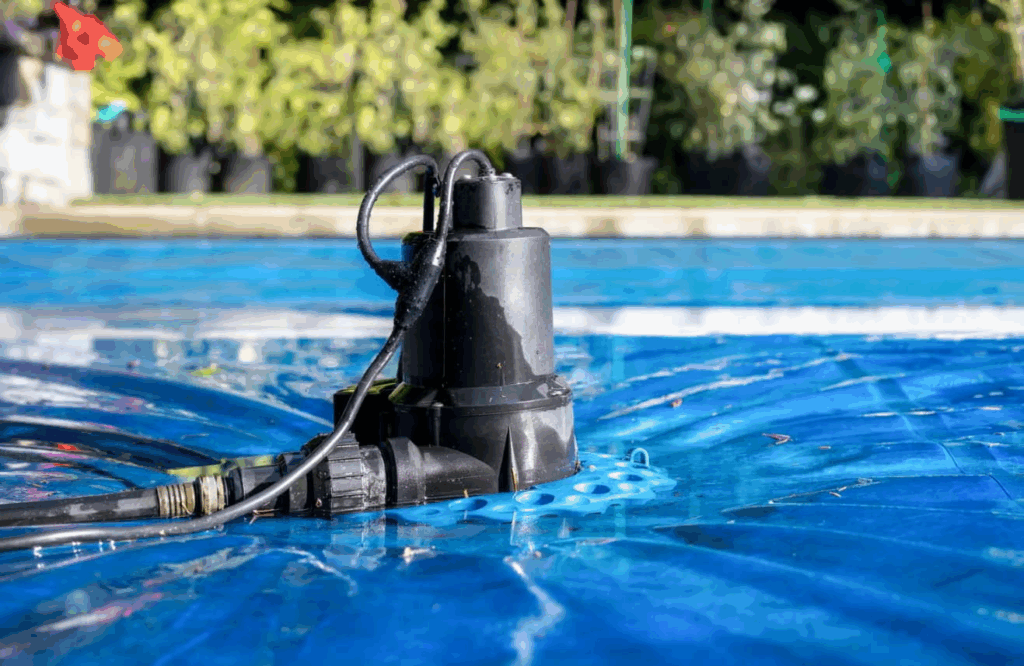
Priming your pool pump means filling the pump and suction line with water so the pump can start pulling water without sucking in air. If there’s air in the system, the pump won’t draw properly, the pressure drops, and your filtration won’t work. One trusted reference shows the risk of running a pump without water: “A pool pump must always have water in it while operating, as the water cools the pump during use.”
When you know how to prime a pool pump, you can avoid damage, poor water flow, or your pool filter pump not priming correctly.
Why Your Pool Pump Might Not Be Priming
Before doing the steps, it helps to spot common causes. Here are some things we often see:
- The water level in the pool is too low. If the skimmer intake is above the water level, the pump struggles to pull water.
- A leak or crack in the suction line, the lid of the pump basket, or the O-ring. Air enters through those spots and stops priming.
- The pump basket or strainer is filled with debris, restricting flow. If the basket is gummed up, the pump can’t pull water efficiently.
- The multiport valve or diverter valve (if present) is set incorrectly, or valves are closed when they should be open.
- After cleaning or replacing the pump/filter, the system wasn’t refilled with water, so the pump tries to pull air instead.
If your situation is “pool filter pump not priming,” checking these items often helps. Still, if it keeps happening, you may want a professional inspection to find a hidden leak or damaged part.
Step-by-step: How to Prime a Pool Pump
Here’s a clear set of steps we recommend at Miller Outdoors. Follow them patiently and you’ll get the pump drawing water properly.
- Turn off power to the pump
Always shut off the circuit breaker or turn the pump off at the switch. Safety first: you’re working around water and electrical equipment.
- Check the water level in the pool
Make sure the pool water line is above the skimmer intake so the pump can pull water without air. If the water is too low, fill the pool and wait.
- Close the suction and discharge valves if your system has them
This helps create the right flow path when priming and can prevent water from draining back into the pool while you fill the pump housing.
- Open the pump strainer basket lid and clean the basket
Remove leaves, dirt, hair or any debris. A clean basket helps the pump pull water smoothly. At the same time, check the O-ring, make sure it forms a good seal and add a thin coat of pool-safe lubricant if needed.
- Fill the pump housing (basket area) with water
Use a hose or bucket and add enough water so the pump basket is full. The idea is to remove the air so the pump sees water right away.
- Close the strainer lid securely
Make sure the lid is tight and the O-ring is properly seated. Air leaks here will cause the pump to lose its prime.
- Open the air release valve (if your model has one)
Some systems have a bleeder or air-release valve on top of the pump housing or filter. Open it to allow air to exit when you turn on the pump.
- Restore power and turn on the pump
Switch the circuit back on or turn on the pump. Watch the pump basket: you want to see water entering, no large bubbles, no air being pulled in. Many guides say priming should occur within seconds; if not, something’s off.
- Slowly open the suction and discharge valves (if they were closed)
Let water flow gradually rather than blasting in all at once. This helps avoid air being drawn into the system and losing prime.
- Check the pressure gauge and observe operation
When the pump is properly primed, the pressure gauge on the filter should settle into its normal range and you should see continuous flow at the pool returns. If you see lots of air bubbles or the pressure is erratic, the pump might still be losing prime.
What to Do if Your Pump Still Won’t Prime
If you followed all the steps and your pump is still acting up, here are a few diagnostics:
- Confirm that the suction line (from skimmers or main drain) has no leaks or cracked fittings. Air entering here will prevent proper priming.
- Check the pump lid and O-ring for wear, cracks or improper seal. Replace if needed.
- Ensure the height difference between your pool water level and the pump is not too great. If the pump is positioned higher than the water line, priming becomes harder.
- Look at the check valve (if installed). If it’s stuck open, water may drain back into the pool causing the pump to lose prime.
- If you still face trouble, it’s wise to bring in professionals who can inspect the suction lines, valves, fittings and pump housing.
At Miller Outdoors, if you’re dealing with persistent “pool pump not priming” issues, we can handle full diagnostics and repair so your pool system runs reliably.
How to Turn On Pool Pump the Right Way
Turning on your pool pump is straightforward but you’ll get better results when you pair it with proper priming. Here’s how we suggest doing it:
- Make sure power is off before you open lids or work on the pump.
- Once the pump is primed (see steps above) and everything is sealed up, restore power.
- Let the pump run and check for stable pressure and clear basket seeing water flow.
- Confirm that the return lines are flowing water steadily and that you don’t see air bubbles at the return outlets.
- If everything looks good, you’ve successfully turned on your pool pump and your system is ready to filter the pool water.
By doing the priming process first, you avoid the situation where you “turn on the pump” but it’s not really flowing water — that’s when you end up with the dreaded “pool filter pump not priming” message.
Links to Other Pool & Outdoor Services
While we’re handling your pump, you might also be interested in our broader services:
- If you’re considering a full outdoor makeover, check out our Landscape Design & Installation service.
- For a full backyard experience, our Outdoor Living Spaces Design & Construction brings in patio, fire-pit and poolside features.
- Thinking of a new pool or pool remodel? Visit our Pool Design & Construction page.
- Curious about cost and budget for landscaping or outdoor upgrades? Use our Landscape Design Cost Calculator to get started.
- Ready to talk? Set up your session through our Schedule Your Discovery Call page.
Contact Miller Outdoors for Pool Services in Louisiana
When you know how to prime a pool pump, you reduce stress, save time and avoid damage to your pool system. At Miller Outdoors we’ve seen how simple steps make a big difference — and we’re here to help if you want full-service support. If you’ve tried the steps above and are still seeing “pool pump not priming” or “pool filter pump not priming” issues, give us a call. We can also help you integrate your pool setup into a larger outdoor living space or landscape design.
Ready to get your pool system working smoothly? Contact Miller Outdoors today at (504) 452-3131 or drop us a note on our Contact Page. Let’s get everything running right — clean water, consistent flow, and a pool you’ll enjoy for years.
Frequently Asked Questions
Q: How long should it take to prime the pump?
A: If everything’s working properly, the pump should prime in just a few seconds to under a minute after turning it on. If it takes much longer, there’s likely air in the suction line or an issue.
Q: I turned on the pump and it’s making a churning noise and water flow is poor. What’s wrong?
A: That churning is a sign the pump is pulling air instead of water. Most often it means the pump basket isn’t fully filled, the lid seal is bad, or there’s a suction side leak.
Q: Does the pump always lose prime after filter cleaning?
A: Not always, but yes, many times when the filter or pump housing is opened, air enters. Re-priming it (following the steps above) is the right move. If the problem keeps recurring, call in experts.
Q: My pump was working fine and now it’s not priming — could it be the water level?
A: Absolutely. Check that your pool water line is high enough. Low water means the pump is trying to draw water from a lower head, which makes priming harder.