
So someone’s standing in the backyard, picturing afternoons spent outside with family, friends, or just a good book. The grass looks nice, the patio’s holding up, but something’s missing. That something is usually a shade structure and that’s where the big question pops up: pergola vs gazebo? Both have plenty of fans, both look beautiful, and both can change the way folks enjoy their yards. Picking the right one comes down to a few simple choices, and Miller Outdoors is happy to walk through every one of them.
What Is a Pergola vs Gazebo? Breaking Down the Basics
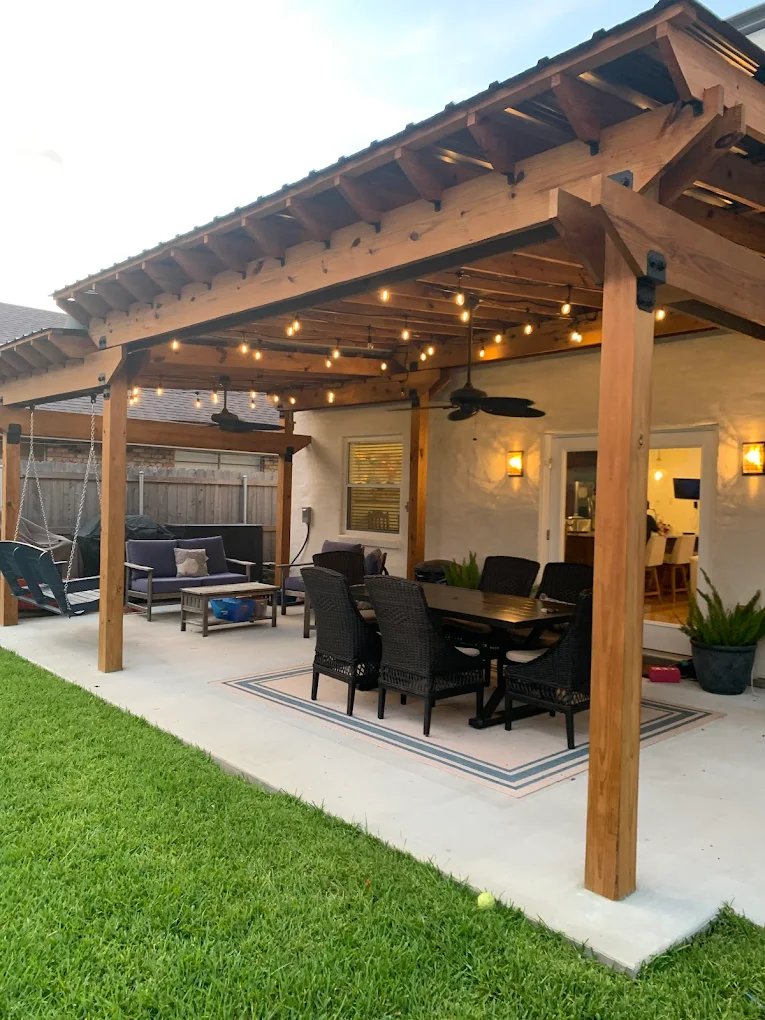
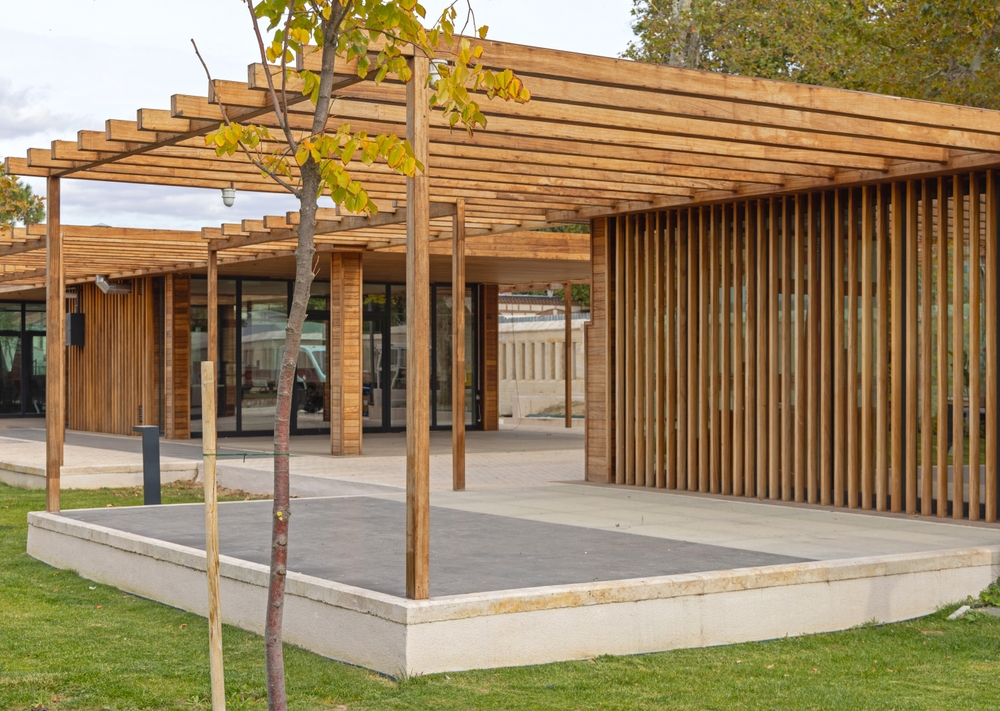
Before getting into which structure wins for any given yard, here’s a quick rundown of what each one actually is. A pergola is an open-air frame with vertical posts holding up cross-beams and rafters across the top. The roof isn’t solid—it lets sunlight filter through in a soft, dappled pattern. Pergolas tend to look modern, clean, and a bit airy. Some homeowners add climbing vines for natural shade, some hang outdoor curtains, and some install retractable canopies for sunny afternoons.
A gazebo, on the flip side, is a fully roofed structure with a closed top. It’s usually freestanding, often round or octagonal in shape, and comes with a built-in floor in many cases. Gazebos give full shade and total rain protection, so the feel is more like a tiny outdoor room. Think of the kind of pavilion folks see in a public park—that’s the gazebo style.
So the short answer to “what is a pergola vs gazebo?” boils down to coverage. One filters the sun, the other fully blocks it. Both create a gathering spot, just in different ways and with different vibes.
The Real Difference Between a Pergola and Gazebo: What Sets Them Apart
Now, the difference between a pergola and a gazebo runs deeper than the roof alone. Here’s a closer look at how each one stacks up against the other:
Roof Style and Shade
A pergola has slatted or open beams up top, giving partial shade and an open feel. Sunlight, breezes, and even a bit of rain can pass right through. A gazebo has a solid, pitched roof—often shingled or metal—that keeps everything underneath dry and shaded. For folks who want full protection from the elements, a gazebo’s roof does the trick every single time without any extra accessories needed.
Shape and Footprint
Pergolas usually take a square or rectangular shape and often attach to a deck, patio, or even the side of the house. Gazebos lean toward octagonal, hexagonal, or round shapes and stand on their own as a focal point in the yard. So a homeowner who wants to extend an existing patio will find a pergola fits naturally. For a standalone garden retreat, the gazebo steals the show every time.
Atmosphere and Feel
Pergolas feel breezy, modern, and open—great for cocktail evenings, dinner parties, or quiet mornings with coffee. Gazebos feel cozier, almost like a small cabin tucked into the yard. Each one creates a different mood, and the right pick depends on how the space gets used most often by the people living there.
Customization Options
Pergolas are easier to customize after installation. Curtains, lighting, fans, fabric covers, and climbing plants all play nicely with the open frame. Gazebos take customization too, though the closed structure limits some add-ons. That said, gazebos often come with built-in benches, screens, or even glass walls for year-round comfort and bug-free evenings.
So the difference between a pergola and a gazebo really comes down to lifestyle. One opens up the yard, the other carves out a private nook.
Pergola vs Gazebo Cost: What to Expect for Your Budget
Now for the part everyone wants to know about—pergola vs gazebo cost. Prices swing quite a bit based on size, materials, and finishes, but here’s a general feel for what each one runs.
The Main Cost Difference
When comparing pergola vs gazebo cost, the price can vary based on size, materials, design details, and added features. However, pergolas are usually the more budget-friendly option, while gazebos tend to cost more because they require more structure and materials.
What Pergolas Usually Cost
Pergolas often come in at a lower price point because they have a simpler design. They usually do not include a full roof, enclosed sides, or a finished floor, which helps keep material and labor costs down.
A basic wooden pergola may start in a lower price range, while aluminum and vinyl options typically fall somewhere in the middle. If you want custom features like premium materials, motorized louvers, lighting, or other upgrades, the price can increase quickly.
Why Gazebos Cost More
Gazebos usually sit on the higher end of the budget because they are more complete structures. They often include a full roof, flooring, railings, and more detailed craftsmanship.
A basic gazebo kit may be more affordable than a fully custom build, but the cost rises with features like shingled roofing, screens, electrical wiring, or a finished floor. In many cases, a gazebo can cost around 25% to 50% more than a pergola of similar size.
Get a Better Ballpark Before You Build
Every outdoor project is different, so the final price depends on your space, design goals, and material choices. Miller Outdoors believes in being upfront about pricing from the start, and the Landscape Design Cost Calculator is a helpful place to get a quick estimate before scheduling an in-person quote.
Picking the Right Fit: Pergola vs Gazebo for Your Yard
For homeowners still comparing shade options, the University of Illinois Extension shares helpful guidance on backyard shade ideas from the University of Illinois Extension, including pergolas, gazebos, patio curtains, shade trees, and other ways to make outdoor spaces more comfortable.
Here’s where it gets fun, matching the structure to the homeowner. Below are some common scenarios and which option tends to fit best for each one.
The Entertainer Who Loves Open Space
For someone who hosts barbecues, summer parties, or evening drinks with neighbors, a pergola often wins. The open frame keeps the space feeling roomy, lets people flow in and out easily, and pairs beautifully with patio furniture, outdoor kitchens, and string lights overhead.
The Quiet Retreat Seeker
For someone who wants a private nook to read, nap, or sip morning coffee, a gazebo’s enclosed feel works wonders. Add screens to keep mosquitoes out, toss in some comfy seating, and the yard suddenly has a built-in escape pod that feels miles away from the rest of the world.
The Pool Owner
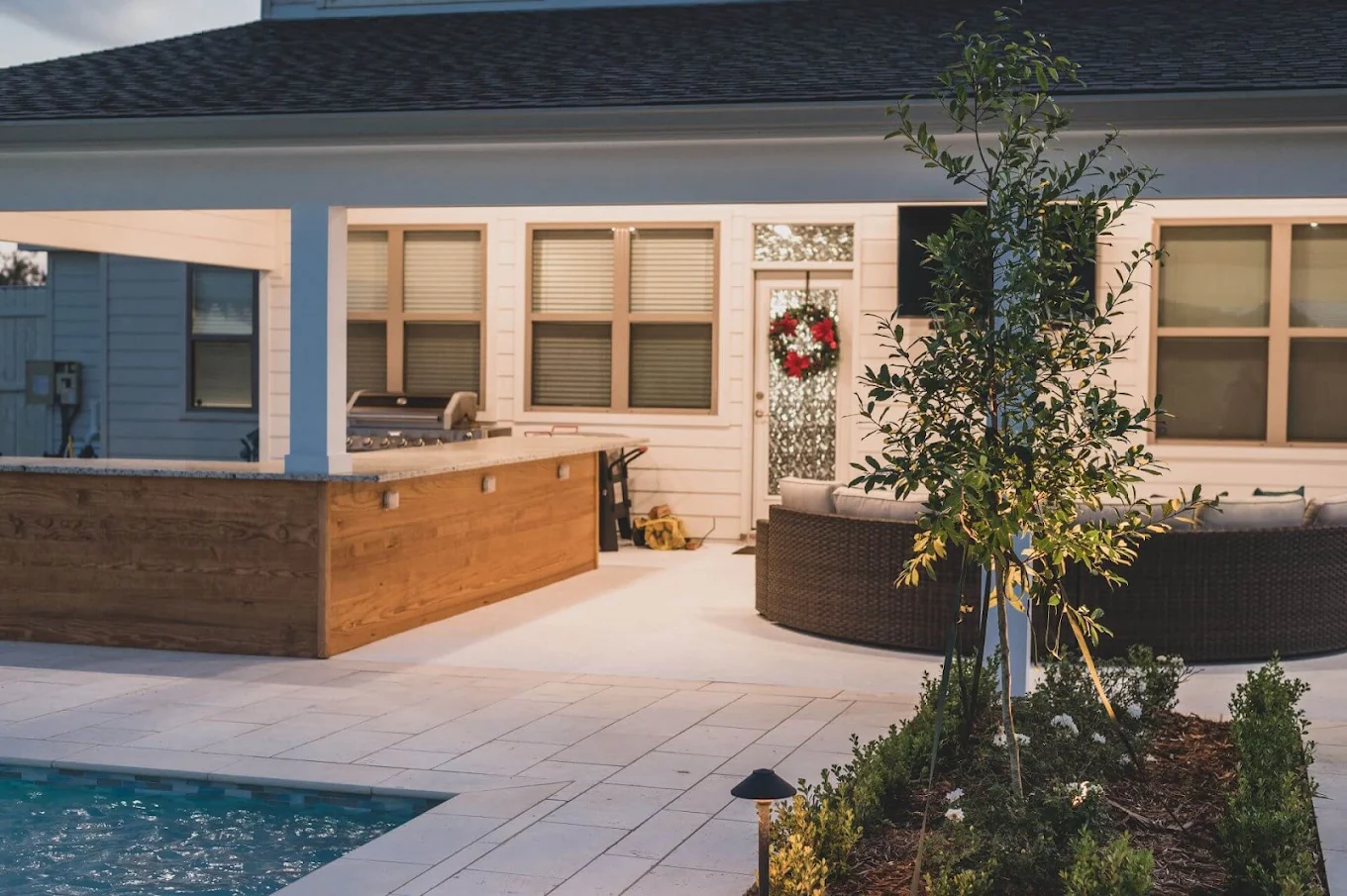
Anyone with a pool or planning one, gets a real boost from either structure. Pergolas pair nicely with poolside lounging zones, providing partial shade without blocking the sun completely. Gazebos work great for a poolside dining area or a shaded changing spot near the water. Miller Outdoors handles full pool design and construction and can build either structure right alongside any new pool project.
The Garden Lover
Pergolas double as a trellis for climbing roses, wisteria, or grape vines. Over time, the plants weave through the beams and create a living roof of green and color. For someone who loves gardening, that natural touch is hard to beat. The team at Miller Outdoors can plan the planting beds, pathways, and structures all at once through full landscape design and installation.
The Year-Round Outdoor Lover
Gazebos hold up better for year-round use. With a solid roof and the option to add screens or glass panels, gazebos handle rain, wind, and even chilly nights with ease. Pergolas can be upgraded with retractable covers, though gazebos start with full coverage built right in from day one.
Pergola vs Gazebo Materials and Style Choices
Material choice plays a big part in the long-term look and upkeep of either structure. Here’s a peek at the most popular options across the board.
- Wood (Cedar, Redwood, Pressure-Treated Pine): Wood gives a warm, natural look that fits almost any backyard style. Cedar and redwood resist rot and bugs naturally, so the upkeep stays low over the years. Pressure-treated pine costs less but needs sealing every few years to stay in top shape. Wood pergolas and gazebos pair perfectly with garden plantings and traditional homes.
- Aluminum and Steel: Metal frames last for ages with very little maintenance. Powder-coated aluminum resists rust, holds color well, and shrugs off humid New Orleans summers like a champ. Metal works especially nicely for modern pergolas with sleek, straight lines and a contemporary look.
- Vinyl and Composite: Vinyl pergolas and gazebos look clean, never need painting, and stand up to weather year after year. Composite materials mix wood fibers with plastic for a wood-like look without all the upkeep. Both are solid picks for low-maintenance homeowners who want beauty without the weekend chore list.
- Mixed Materials: Some of the prettiest backyard structures blend materials—stone columns with wood beams, or brick bases with metal frames up top. Miller Outdoors loves a good custom build and helps each client land on the right mix for the home’s style and overall backyard plan.
Why Miller Outdoors Is the Right Pick for Your Pergola vs Gazebo Project
Building any outdoor structure isn’t just about hammering boards together. The right team plans for drainage, sun direction, local building codes, and how the structure ties into the rest of the yard. According to Penn State Extension, thoughtful site planning and material selection are big factors in how well any outdoor feature performs season after season.
Here’s why so many New Orleans area homeowners trust Miller Outdoors with these kinds of projects:
- Local Know-How: New Orleans weather hits different—hot summers, big storms, salty air near the coast. Miller Outdoors picks materials and designs built to last in this climate, so the structure stays beautiful for years to come instead of falling apart after the first hurricane season.
- Full-Service Design and Build: From the first sketch to the final nail, the whole project stays in-house. That means no juggling subcontractors, no surprises, and a smoother experience from start to finish. The team handles everything from custom outdoor living spaces to full landscape makeovers across the area.
- Honest Pricing: No vague quotes, no hidden fees, no last-minute add-ons. Each project starts with a clear plan and an upfront price, so the homeowner never has to guess what the final bill will look like at the end.
- Custom Designs: Cookie-cutter structures get boring fast. Every yard is different, and every Miller Outdoors build is too. The design team listens first, then creates a structure that fits the home, the budget, and the way the family actually lives day to day.
Contact Miller Outdoors for Pergola or Gazebo Project in Louisiana
At the end of the day, the pergola vs gazebo decision comes down to lifestyle, style preferences, and budget. Pergolas open up a yard with airy charm and modern style, often at a friendlier price point for the wallet. Gazebos carve out a cozy retreat with full shade and rain protection, perfect for year-round comfort in any weather. Neither one is better than the other—each shines brightest in the right backyard with the right homeowner.
Whatever direction feels right, Miller Outdoors is ready to bring the vision to life. From the first design sketch to the final reveal, the team builds beautiful outdoor structures across New Orleans and the surrounding areas. Give Miller Outdoors a ring today at (504) 452-3131, reach out through the contact page, or schedule your discovery call to get started on a backyard that finally feels like home. The dream backyard is closer than it feels right now.
FAQs About Pergola vs Gazebo Structures
Which lasts longer, a pergola or a gazebo?
Both can last 20 years or more with the right materials and regular upkeep. Gazebos with full roofs sometimes show wear sooner since the roofing needs occasional repair, but a well-built version of either structure holds up beautifully for decades when cared for properly.
Do I need a permit to build a pergola or gazebo in New Orleans?
In most cases, yes. Permit rules vary by neighborhood, structure size, and whether the build attaches to the home. Miller Outdoors handles the permitting process from start to finish, so the homeowner doesn’t have to stress over paperwork or city offices.
Can I add a pergola or gazebo near my pool?
Absolutely. Both structures pair beautifully with pools and pool decks. The Miller Outdoors team can build either one right alongside a pool project or add a structure to an existing setup, depending on what works best for the space.
Will a pergola or gazebo raise my home’s value?
Yes, in most cases. Quality outdoor structures boost curb appeal, expand usable square footage, and make a home stand out to future buyers. Outdoor living spaces remain a hot selling feature in today’s market, especially in warm-weather regions like southern Louisiana.
How long does the build take?
Most pergola builds wrap up in one to two weeks. Gazebos take a bit longer, often two to four weeks based on size and finish options. Larger custom projects with electrical, lighting, or stonework run a touch longer to get every detail just right.
Pergola vs gazebo—which is easier to maintain?
Pergolas usually need less maintenance overall since there’s less roof to worry about up top. That said, both structures stay easy to keep up with annual cleaning and the occasional sealing or staining of wood parts.