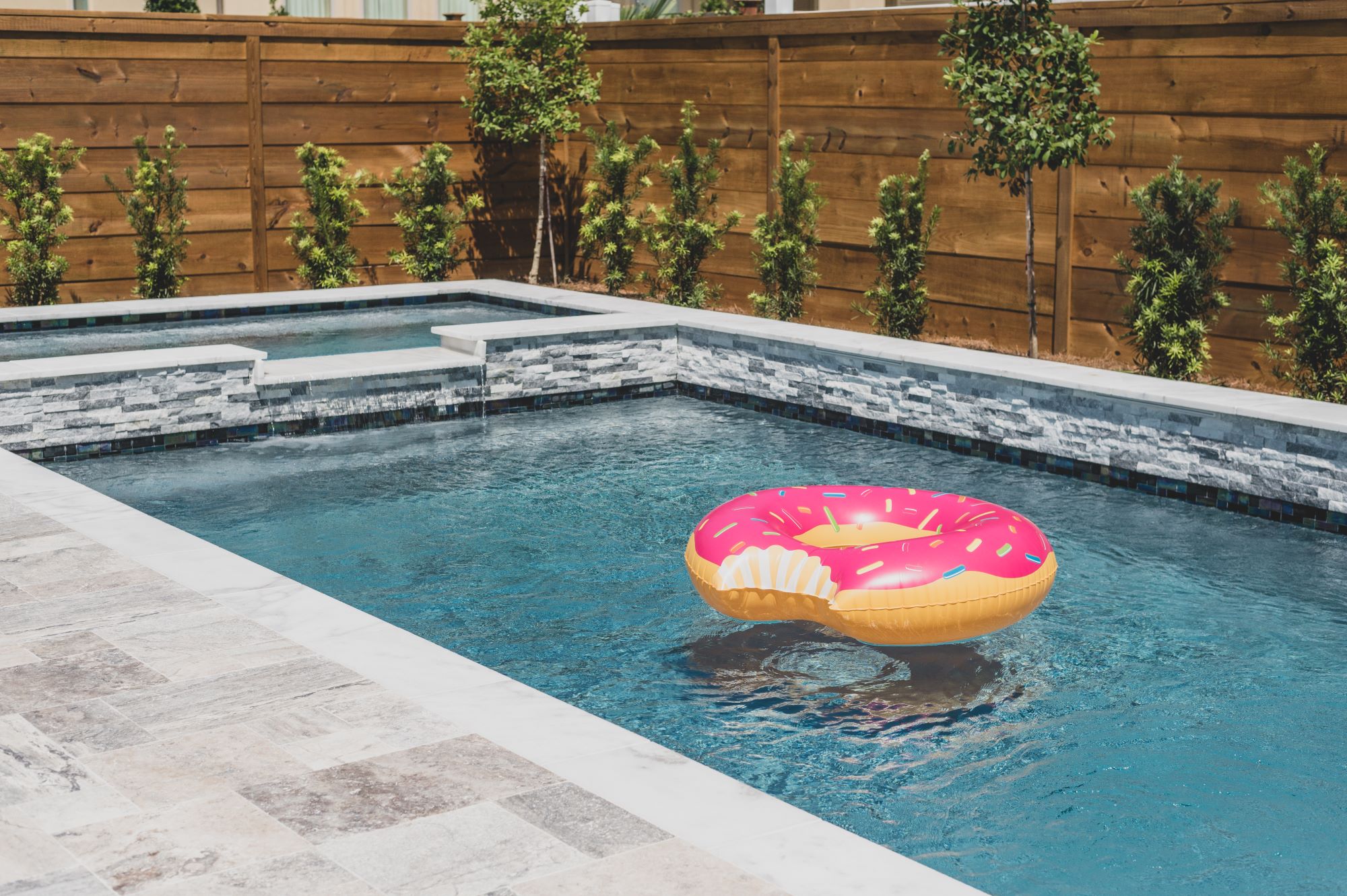

A pool deck does far more than frame the water. It creates room for lounge chairs, gives swimmers a safer path, connects the pool to the home, and sets the style for the full backyard. For this reason, choosing a deck material deserves just as much care as choosing the pool shape, coping, lighting, or water features.
The best pool deck ideas balance appearance, comfort, upkeep, drainage, and budget. Wood can bring warmth. Composite can give a wood-like look with less routine care. Concrete can create a clean, flexible surface. Pavers can add pattern, texture, and easy access for future repairs. Each choice has strengths, so the right answer depends on how the space will be used.
Miller Outdoors plans the pool, deck, garden beds, drainage, shade, lighting, and gathering spaces as one connected project. That approach helps the finished yard feel planned from the start rather than pieced together over time.
How Pool Deck Ideas Shape the Whole Backyard
Before picking a material, think about daily life around the pool. A family that hosts weekend cookouts may need a broad dining area. A homeowner who wants a calm retreat may prefer a smaller deck with planted borders and shaded seating. A narrow yard may call for clean lines and built-in features that save space.
Good pool deck ideas should answer several practical questions. The strongest deck pool ideas begin with daily use rather than color alone:
- How much walking and seating space is needed? A deck should leave room to move around furniture without squeezing close to the pool edge. At the same time, extra square footage can raise material and labor costs, so the layout should fit the way the area will truly be used.
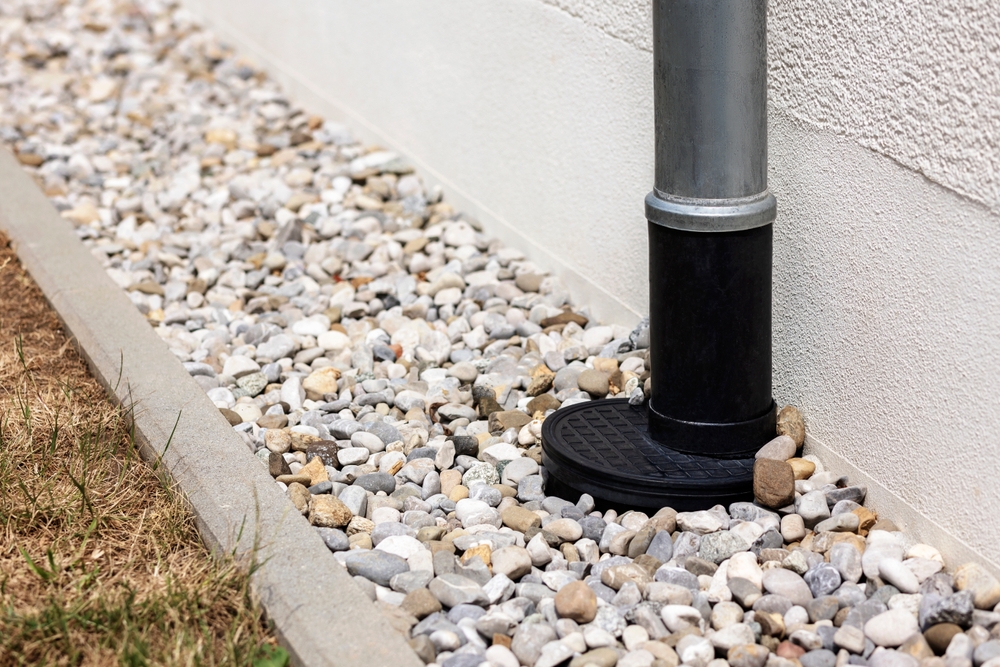
- How will water leave the surface? Pool water, rain, and hose water need a clear path away from the home and other structures. Proper grading and drainage help reduce puddles, muddy edges, and water sitting against nearby features.
- How hot will the surface feel? Dark materials often absorb more heat in direct sun. Lighter finishes may feel more comfortable under bare feet, though surface temperature can change based on shade, texture, weather, and product type.
- How much upkeep fits the household? Some materials need sealing, staining, joint cleaning, or board replacement over time. Others need less routine care but may carry a higher starting cost.
Slip resistance matters in any wet walking area. The U.S. Access Board’s guidance on floor and ground surfaces explains that walking surfaces should resist slipping. For a pool project, surface texture, slope, drainage, and product finish should all be reviewed before construction begins.
Wood Pool Deck Ideas for a Warm, Natural Look
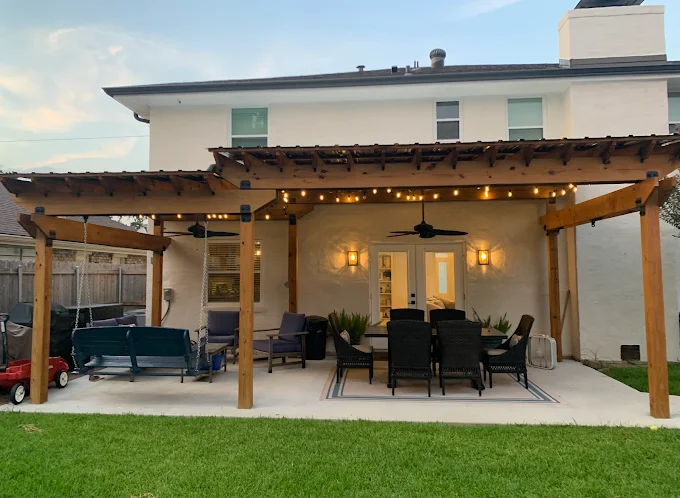
Wood has a relaxed appearance that pairs well with greenery, pergolas, fences, and outdoor kitchens. It can soften the look of hard pool surfaces and make a yard feel more like an outdoor room. Wood works especially well on raised areas, sloped properties, or spaces that need a deck built above grade.
For example, wood boards can run in the same direction as the pool to make a narrow area look longer. A border pattern can frame the water, and wider steps can create casual seating near a raised spa or covered patio.
Still, wood needs regular care. Sun, rain, moisture, and pool chemicals can wear down the finish. Sealing or staining can help protect the surface, and damaged boards need timely repair. Splinters, loose fasteners, and slick growth should never be ignored around bare feet.
Wood may be a strong choice for homeowners who value natural grain and don’t mind scheduled upkeep. Miller Outdoors can connect a wood deck with outdoor living spaces design and construction, such as a pergola, grilling station, fire feature, or covered seating area.
Composite Pool Deck Ideas for Lower Routine Care
Composite decking is made to give a board-style appearance without the same staining schedule common with natural wood. Many products resist rot and insect damage, and color choices range from soft gray to deeper brown tones.
Composite pool deck ideas can work well around raised pools, spas, and transition zones between the house and pool. Hidden fasteners can create a neat surface, and matching trim can finish stairs, edges, and built-in benches.
That said, composite products vary. Some boards become hot in full sun, and some finishes feel more slippery when wet. Product samples should be checked outdoors before a final choice is made. It helps to stand on a sample with bare feet, view it in direct sun, and compare the texture with wet conditions in mind.
Composite often costs more at the start than basic pressure-treated lumber. Yet lower staining needs may make the long-term care routine easier. The framing below the boards still needs sound construction, proper spacing, ventilation, and water management.
Concrete Pool Deck Ideas for Flexible Shapes and Finishes
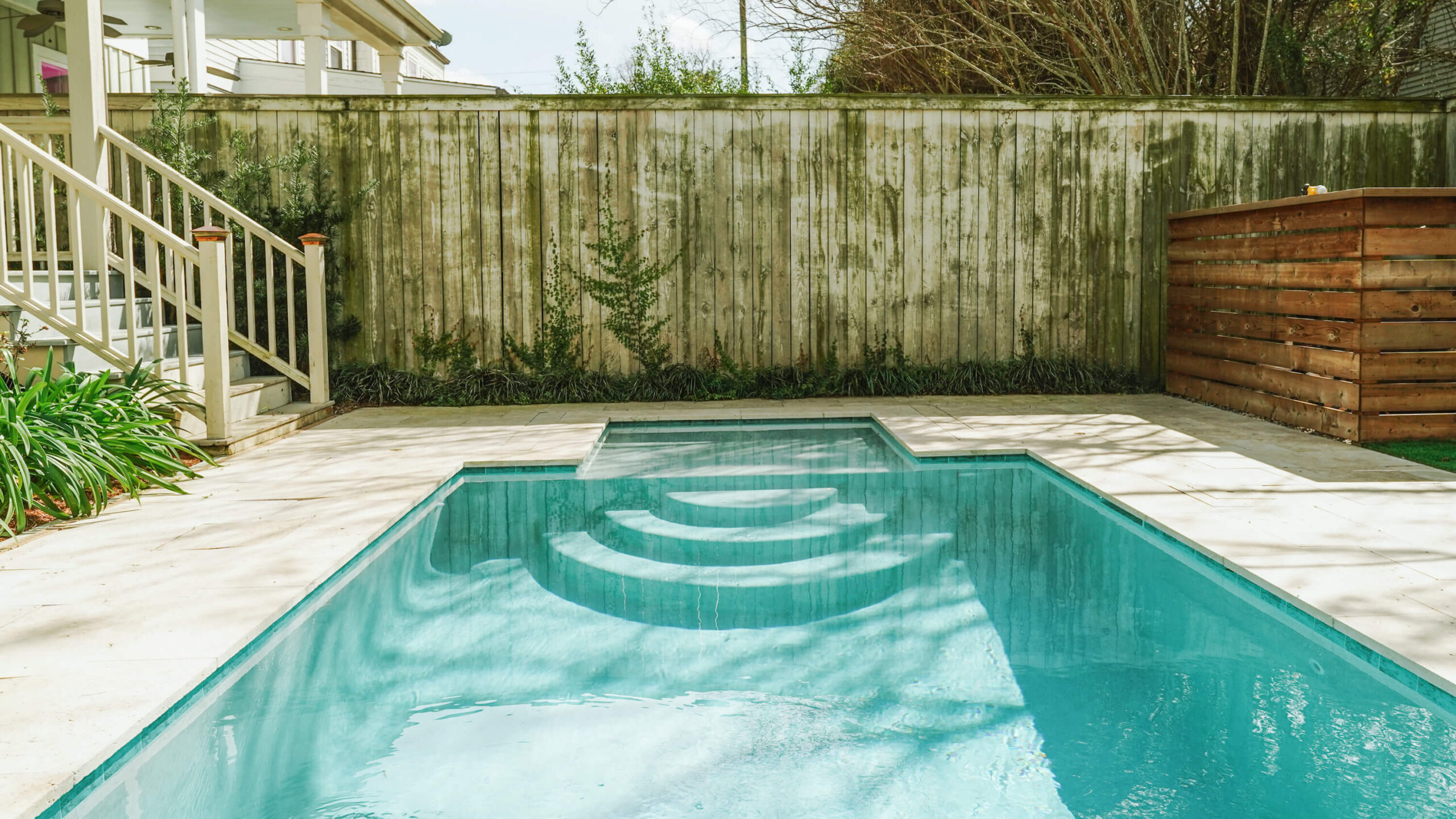
Concrete remains a common choice for deck ideas for inground pools since it can follow straight lines, curves, tanning ledges, steps, and custom pool shapes. It can create a clean modern look or take on more visual detail through color, texture, saw cuts, or stamped patterns.
A basic broom finish can provide texture and a simple appearance. Decorative scoring can break up a large slab into smaller visual sections. Stamped concrete can copy the look of stone or large pavers, and color can help the deck match the home.
Concrete needs a sound base, planned joints, proper thickness, and correct drainage. Cracks can form as soil moves or the slab expands and contracts. Control joints help guide normal movement, though no outdoor slab can be promised as crack-free forever.
For New Orleans-area yards, water flow and ground conditions should be part of the plan from day one. Miller Outdoors can pair the deck with yard design and installation, helping garden beds, drains, lawn areas, and hard surfaces work together.
Paver Pool Deck Ideas for Pattern and Repair Access
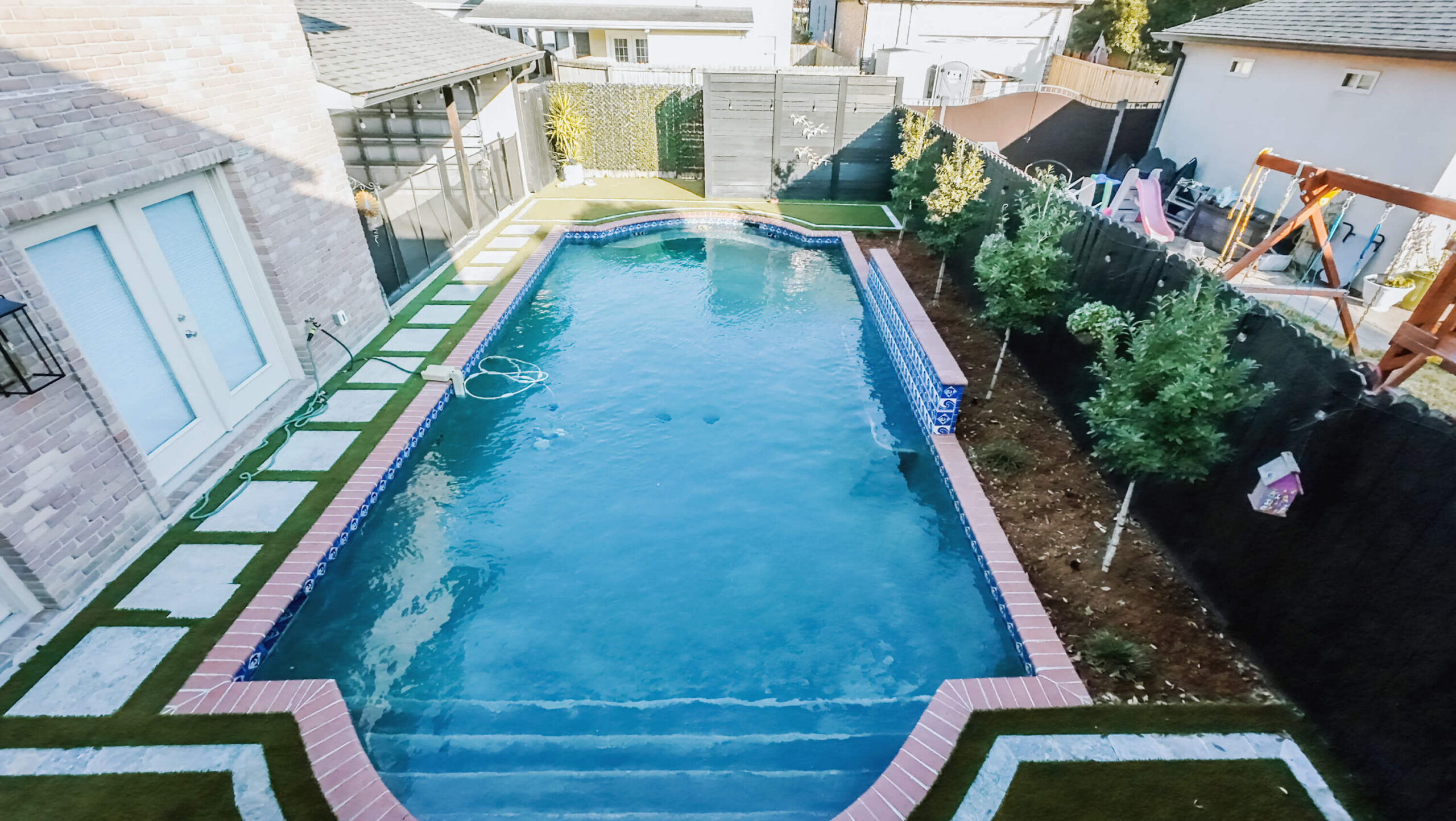
Pavers bring color, texture, and pattern to a pool deck. Common layouts include running bond, basket weave, herringbone, and large-format patterns. A contrasting border can outline the pool or separate lounging and dining zones.
One major benefit is repair access. If underground work becomes necessary, individual units can often be lifted and reset rather than cutting through one large slab. Damaged pavers can be replaced in smaller sections, which can make future fixes less disruptive.
The base still matters. Poor preparation can lead to settling, uneven edges, or joints that wash out. Edge restraints, joint material, grading, and drainage all play a part in keeping the surface stable.
Pavers can fit classic brick homes, modern pools, courtyard-style yards, and full outdoor living builds. Color blends should connect with the coping, house exterior, walls, and nearby structures. Too many competing tones can make a small yard feel busy, so a simple palette often works best.
Comparing Pool Deck Ideas by Cost, Care, and Style
No single material wins every category. A clear comparison can narrow the list:
Wood brings natural character.
It feels warm beside plants and shaded structures, and it can work well on raised frames. On top of that, individual boards can be replaced. Regular sealing, staining, and surface checks remain part of ownership.
Composite reduces common wood care tasks.
It offers steady color and avoids rot concerns found in untreated lumber. Still, heat, slip resistance, expansion gaps, and product quality need close review before purchase.
Concrete offers broad design freedom.
It can fit nearly any pool shape and can range from simple to decorative. From there, finish type, joint placement, drainage, and base work affect how the surface performs.
Pavers provide pattern and smaller repair sections.
Pavers can create a high-end appearance and allow access below the deck. Proper base construction and edge support keep the surface even.
The Miller Outdoors project cost calculator can give homeowners a starting point for planning a pool, deck, planting, or outdoor living investment. Final pricing depends on square footage, site access, demolition, drainage, material grade, pattern, borders, steps, and added features.
Planning Pool Deck Ideas Before Building a Pool Deck
Building a pool deck should start on paper, not after the pool shell is already in place. Early planning makes room for furniture, shade, grills, doors, gates, drains, lighting, and planting beds. It can reduce awkward gaps and last-minute changes.
A smart planning process often follows these steps:
Measure the usable yard.
Mark the home, property lines, doors, utilities, trees, and existing structures. This shows how much room can support the pool and deck without crowding the site.
List the main activities.
Decide whether the deck needs dining, sunbathing, child play, quiet seating, or a path to an outdoor kitchen. Each use changes the amount and shape of deck space.
Pick the pool and deck together.
The pool design and construction plan should account for coping, steps, raised walls, spas, water features, and deck transitions from the start.
Review sun and shade.
Track where direct sun falls during the hottest part of the day. Then place seating, shade structures, and heat-sensitive materials with comfort in mind.
Plan water movement.
Set deck slopes, drains, planting grades, and discharge points before work begins. For this reason, drainage should never be treated as a final detail.
Choose a finish from real samples.
View samples beside the home, coping, and other yard materials. Wet the surface, check the texture, and look at the color in sun and shade.
Connecting Pool Deck Ideas With Planting and Outdoor Rooms
A pool deck looks best when it belongs to the rest of the yard. Repeating one or two materials can connect the pool area with walkways, steps, walls, and patios. Planting beds can soften large hard surfaces, and low-voltage lighting can make paths easier to follow after dark.
For instance, paver borders can match an outdoor kitchen patio. Wood tones can repeat in a pergola or privacy screen. Concrete scoring lines can line up with doors or architectural features. Small details like these make the yard feel settled and complete.
Miller Outdoors can plan the pool deck alongside planting plans, irrigation, lighting, drainage, outdoor kitchens, fire features, and covered areas. This single-plan approach helps avoid conflicts, such as a drain placed under future cabinets or a shade post landing in a main walking path.
Choose Miller Outdoors for Custom Pool Deck Ideas
The right deck turns a pool into a usable backyard destination. Wood, composite, concrete, and pavers can all work well, yet the best choice must fit the property, budget, care routine, and design goals.
Miller Outdoors designs and builds complete backyard projects across the New Orleans area, from custom pools and decks to planting plans and outdoor living spaces. A coordinated plan can help the deck look right, drain correctly, connect with the home, and support the way the backyard will be used.
Ready to compare pool deck ideas for a new backyard project? Call (504) 452-3131, visit the Miller Outdoors contact page, or schedule a discovery call to start planning.
Frequently Asked Questions About Pool Deck Ideas
Which pool deck ideas stay coolest in the sun?
Light-colored materials often absorb less heat than dark surfaces, yet product type, texture, weather, and shade can change the result. Real samples should be tested in the yard during direct sun before a final selection.
Which pool deck ideas need the least upkeep?
Composite and concrete often need less routine surface care than natural wood. Pavers may need joint maintenance and occasional resetting. Every material still needs cleaning, inspections, and timely repairs.
Are concrete pool deck ideas likely to crack?
Concrete can crack as soil moves and temperatures change. Good base preparation, control joints, drainage, and construction methods can reduce unwanted cracking, but outdoor concrete can’t be guaranteed to remain free of cracks.
Can paver pool deck ideas work with a modern pool?
Yes. Large-format pavers, straight borders, and a limited color palette can create a clean modern style. Pavers don’t have to look rustic or traditional.
Which pool deck ideas should be planned before building a pool deck?
Plan the deck width, furniture zones, gates, shade, drainage, lighting, steps, utilities, planting areas, and future outdoor features. The pool and deck should be designed together so each part fits the same layout.