The edge of a swimming pool might seem like a small detail, but it’s one of the parts you’ll touch and walk beside most often. It needs to feel comfortable under bare feet, hold up to splashes and sun, and look right beside the patio. That’s where coping for swimming pools comes in.
Whether you’re building a new pool or updating an older one, the material and edge style can change how the entire backyard looks and feels. Miller Outdoors helps homeowners in New Orleans, Metairie, and nearby communities plan pools with practical details like coping, decking, and drainage in mind.
What Is Coping for Swimming Pools, and Why Does It Matter?
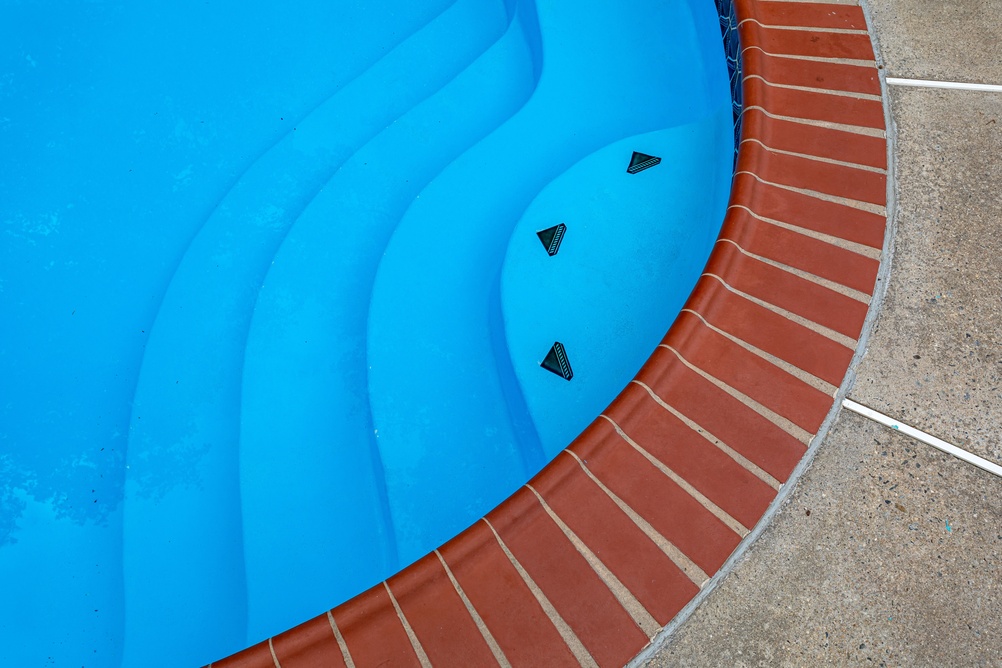
Pool coping is the finished border around the top edge of a swimming pool. Picture the strip of stone or concrete between the water and the surrounding deck. That’s coping.
It covers the top of the pool wall and creates a finished transition to the deck. Depending on the design, the edge can provide a comfortable place to rest your hands when getting out of the water. Coping works with the deck’s slope and joints to manage splashed water and movement around the pool.
There’s a difference between coping and decking. Coping runs right along the water’s edge. The deck is the larger area where you walk, place chairs, or set up a table. The two should look good together, but each has a separate job.
For a new installation, Miller Outdoors can plan the edge as part of its pool design and construction services. That makes it easier to match the coping with the pool shape, patio materials, and overall layout.
Materials Used for Coping for Swimming Pools
No single material works best for every backyard. Some homeowners prefer a smooth, modern edge. Others want the character of brick or natural stone. Here’s what to know before choosing.
Concrete pool coping
Concrete gives you plenty of flexibility with shapes and finishes. Poured concrete can create a continuous-looking border, and precast concrete pieces come in ready-made shapes, including rounded edges. Concrete often fits a tighter budget than premium stone, but cracks, movement, and surface wear still need attention. The right joints and installation method matter just as much as the finish.
Brick pool coping
Brick brings a classic look that pairs nicely with traditional New Orleans homes and brick patios. Rounded bullnose bricks can soften the edge where swimmers sit or climb out. Still, mortar joints may need repair over time, and some bricks absorb more water than others. Choose pool-suitable brick rather than assuming any regular building brick will work.
Natural stone coping
Travertine, limestone, and other pool-suitable stones give the edge a natural pattern that doesn’t look exactly the same from piece to piece. A properly selected, textured coping stone for swimming pool use can provide comfortable footing and a warm, finished appearance. Stone prices vary, and some varieties need sealing or extra care to resist stains. Ask to see a sample wet and in direct sunlight before making a choice.
Porcelain and manufactured pavers
Pool-rated porcelain coping and manufactured pavers can create a neat, consistent look. Many options resist moisture and come in colors that match the deck. The catch? Not every tile or paver belongs at a pool edge. Check wet-surface grip, edge profiles, and installation requirements before selecting a product.
Miller Outdoors’ pool construction options include concrete coping and natural stone coping in different project plans. A discussion about the entire pool design can help narrow the material choices before construction starts.
Edge Styles for Coping for Swimming Pools
The material is one choice. The shape of its exposed edge is another, and it affects both comfort and appearance.
Bullnose edges
A bullnose has a rounded front instead of a sharp corner. It’s worth a look for family pools, especially around spots where people sit on the edge or climb in and out.
Eased or square edges
An eased edge has a small softened corner, giving the pool a straighter, more modern appearance. A square profile creates clean lines, but the exact corner finish should still feel comfortable against skin.
Drop-face edges
This style has a thicker-looking face that drops down over the pool wall. It gives the border a bold, substantial appearance, especially on straight-edged pools. The added material and cutting can affect the total cost.
Curved pools and tight corners need extra planning. For instance, some stone sizes may call for more cuts or visible joints. A good layout accounts for those details before installation, rather than leaving awkward pieces at the final corner.
How to Choose Coping for Swimming Pools in New Orleans
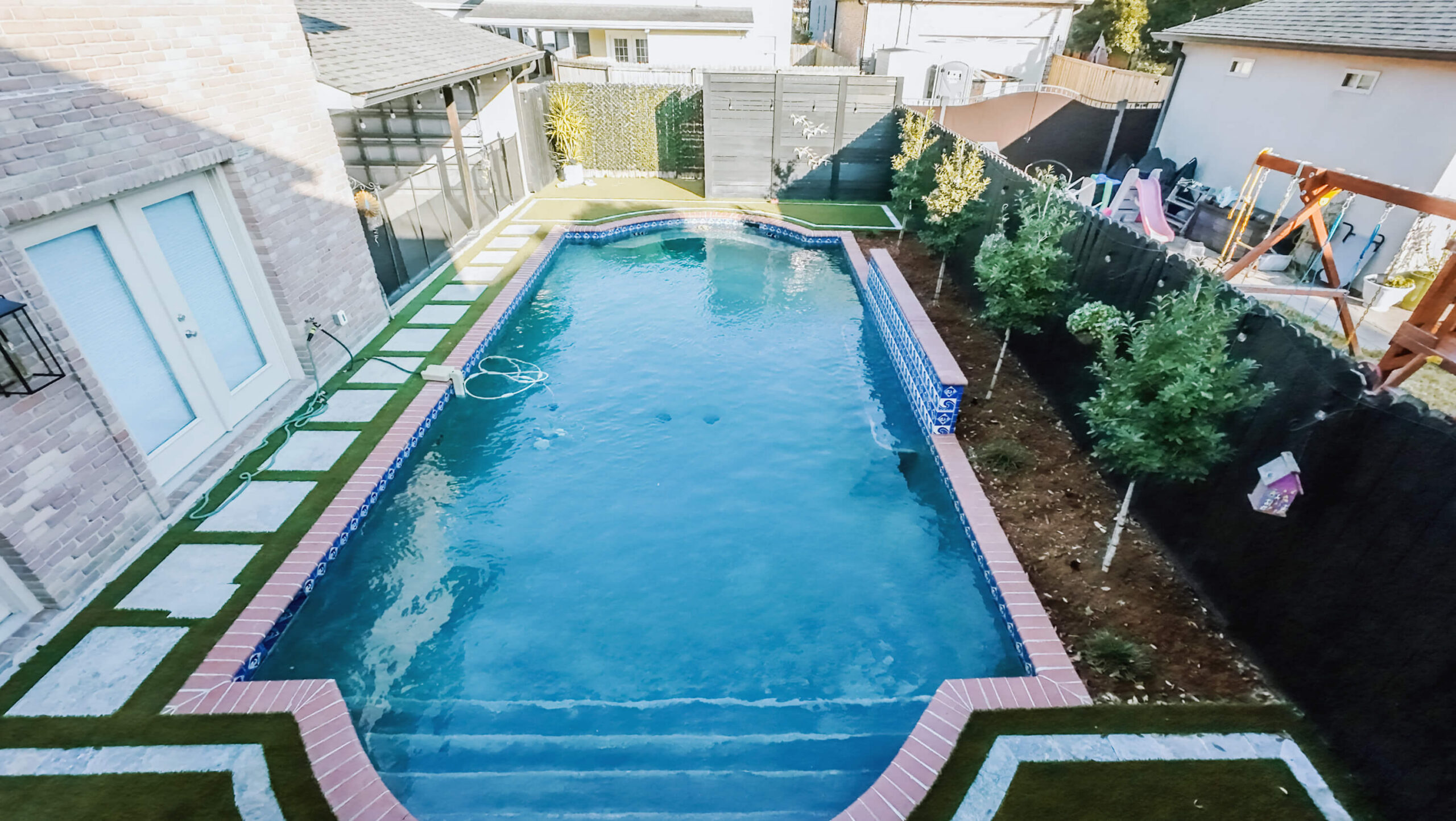
New Orleans backyards deal with hot sun, frequent rain, and plenty of pool use during the warmer months. Appearance matters, but the surface needs to work in everyday life. Start with these questions.
How does the surface feel when it’s wet and hot?
A polished sample can look great indoors and feel slippery beside a pool. Ask for a textured, pool-suitable finish and test a sample with wet hands or feet when possible. Lighter colors may feel less hot than darker surfaces, though the material and finish make a difference.
How much upkeep makes sense?
Some stone and brick products need periodic cleaning, joint attention, or sealing. Concrete can need repairs if cracking develops. Before choosing a finish, ask what cleaning products are safe around pool chemicals and what upkeep the manufacturer recommends.
Does it work with the deck and drainage plan?
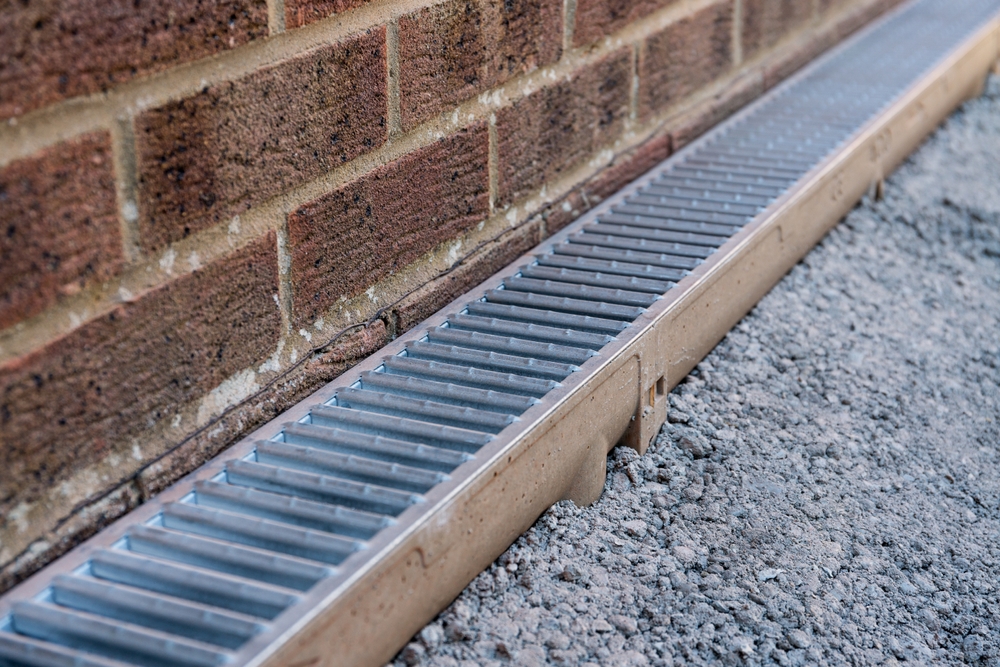
Water shouldn’t collect next to the pool or run back into it from the patio. The CDC’s Model Aquatic Health Code discusses drainage and deck design for public pools; residential rules may differ, but keeping water moving in the right direction is still a smart design goal. Miller Outdoors can review how coping meets the deck, including joint placement and nearby drainage.
Will the material match the rest of the backyard?
A rustic brick edge may look great beside a brick courtyard, but feel out of place against large modern pavers. For projects that include planting beds, lighting, and pathways, Miller Outdoors’ garden design and installation services can help connect the pool to the yard. A patio, pergola, or outdoor kitchen can become part of the same plan through outdoor living space design and construction.
What’s the full project budget?
Material cost is just one part of the price. Pool size, curves, edge profiles, labor, removal of old coping, and repairs underneath can all affect the total. Miller Outdoors’ backyard project cost calculator offers a starting point for larger outdoor projects, with project-specific pricing discussed during a consultation.
A pool contractor should look beyond the sample you like most. Miller Outdoors explains the benefits of hiring a local pool contractor, including planning for local conditions and tying the pool into the rest of the yard.
Plan Coping for Swimming Pools With Miller Outdoors
A good pool edge should feel comfortable, handle daily use, and fit the rest of your backyard. The best result comes from choosing the coping, pool deck, and drainage together instead of treating the border as an afterthought.
Miller Outdoors designs and builds custom pools and outdoor spaces for homeowners in New Orleans, Metairie, and surrounding communities. Whether the project calls for simple concrete coping, natural stone, or a full pool renovation, the team can talk through the design, material choices, and budget before work begins.
Ready to discuss your backyard plans? Call (504) 452-3131, visit the Miller Outdoors contact page, or schedule your discovery call to get started.
FAQs About Coping for Swimming Pools
What is the best coping stone for swimming pool edges?
The best choice depends on your budget, style, and maintenance preferences. Travertine and limestone can look attractive, but a stone’s texture, water absorption, and suitability for pool chemicals matter more than the name alone. Check samples and care instructions before choosing.
Is concrete pool coping cheaper than natural stone?
Concrete often has a lower starting material cost than premium natural stone. Yet custom shapes, decorative finishes, demolition, and labor can change the final price. Comparing complete installation quotes gives a clearer picture than comparing material prices alone.
Can old pool coping be replaced without rebuilding the pool?
In many cases, yes. A contractor first needs to check the condition of the coping, pool wall, nearby deck, and joints. Loose sections or cracks may point to problems that need repair before new material goes down. For a broader look at updating an existing pool, read Miller Outdoors’ guide to pool renovation cost.
How long does pool coping last?
There’s no single lifespan for every material. Installation quality, weather, pool chemicals, ground movement, and regular care all affect durability. Watch for loose stones, crumbling mortar, cracks, or water collecting around the edge, and have those problems checked early.