
Homeowners ask about fireplace installation cost all the time, and the honest answer is that the price can move up or down based on the details of the job. A fireplace may look simple once it’s finished, yet the work behind it can vary a lot from one home to the next. Size, fuel type, venting, code work, finish materials, and access all play a part.
At Miller Outdoors, every project starts with the space itself. A new fireplace may need framing, a gas line, electric service, stonework, ventilation, or changes to the wall and floor around it. That’s why the cost to install fireplace features can land in a wide range. A basic setup usually costs less than a custom build with stone, built-ins, and a full outdoor living plan.
1. Fireplace Installation Cost Starts With the Type of Fireplace
The first big factor in fireplace installation cost is the kind of unit going in. Gas fireplaces, wood-burning fireplaces, electric fireplaces, and inserts all have different needs. A gas unit may need a gas line and venting. A wood-burning model may need a chimney or flue system. An electric unit often has a lower entry cost, yet the final look still depends on finish work.
This matters a lot for homeowners asking about the cost to install wood burning fireplace options or the cost to install gas fireplace insert models. Inserts can cost less than a full new build in some homes, though that depends on the condition of the opening and vent path.
2. Fireplace Installation Cost Changes With New Build vs. Retrofit
A brand-new fireplace usually costs more than adding an insert to an existing opening. New construction often calls for framing, vent routing, utility work, and finish materials from the ground up. A retrofit can be simpler if the structure is in good shape and the opening already fits the new unit.
That said, an older fireplace can still bring hidden costs. If the firebox, chimney, gas line, or wall framing needs repair, the price can climb fast. So, the starting point of the space has a direct effect on fireplace installation cost.
3. Venting Has a Big Effect on Fireplace Installation Cost
Venting is one of the biggest price drivers in any fireplace project. Direct vent, vent-free, natural vent, and chimney-based systems each come with different labor and material needs. The route matters too. A short, straight vent run is usually easier than a long run with turns, roof work, or masonry changes.
For wood-burning units, safety and proper installation matter at every step. The EPA says wood-burning appliances, chimneys, and vents should be professionally inspected each year, and it notes that fireplaces are less efficient than EPA-certified wood heaters. That’s one reason many homeowners compare inserts and high-efficiency units before moving ahead.
4. Fireplace Installation Cost Goes Up With Gas Line or Electrical Work
If the space does not already have the right utilities in place, new connections can add a fair amount to the job. A gas fireplace may need a new gas line, shutoff valve, pressure check, and permit-related work. Some units need electrical hookups for ignition, fans, lighting, or controls.
Even a simple-looking install can turn into a larger project once the wall opens up. That is one big reason a site visit matters before anyone throws out a firm number for fireplace installation cost.
5. Finish Materials Shape Fireplace Installation Cost
The fireplace unit is only part of the total. The surround and finish work often make a huge difference in cost. Tile, brick, stucco, concrete, shiplap, stone veneer, natural stone, mantels, hearth extensions, and custom built-ins can all change the final number.
A clean and simple look will usually keep the budget tighter. A custom statement wall with premium stone and trim can push the project much higher. Homeowners often focus on the unit price first, yet the finish package is where many costs rise.
6. Size and Heat Output Affect Fireplace Installation Cost
Larger fireplaces often cost more to buy and more to install. They may need a wider opening, stronger support, larger venting components, or a bigger fuel supply line. Heat output matters too. A unit picked for looks alone may not perform the way the space needs, and a unit picked for more heat may need extra planning.
So, a smart project balances style, use, and budget. That helps keep fireplace installation cost tied to what the home actually needs, not just what looks good in a photo.
7. Permits and Code Work Can Raise Fireplace Installation Cost
Permit fees and code-related upgrades are another factor. Local rules may call for inspections, clearance checks, vent standards, hearth dimensions, carbon monoxide protection, or gas testing. These items are there for a reason, and skipping them can lead to major trouble later.
The U.S. Consumer Product Safety Commission says installation should follow the manufacturer’s instructions and local building codes, with proper clearances to nearby surfaces. If you want a general safety reference, the EPA’s wood-burning installation and maintenance guide is a solid outside source.
8. Access to the Work Area Impacts Fireplace Installation Cost
Some homes are easy to work in. Others are a bear. Tight access, second-story installs, finished interiors, fragile flooring, limited crawlspace room, or hard roof access can all raise labor time. The harder it is to move materials and complete the install safely, the more the labor side of the budget may grow.
This is one factor homeowners do not always think about at first, yet it can shift fireplace installation cost in a real way.
9. Indoor and Outdoor Design Choices Affect Fireplace Installation Cost
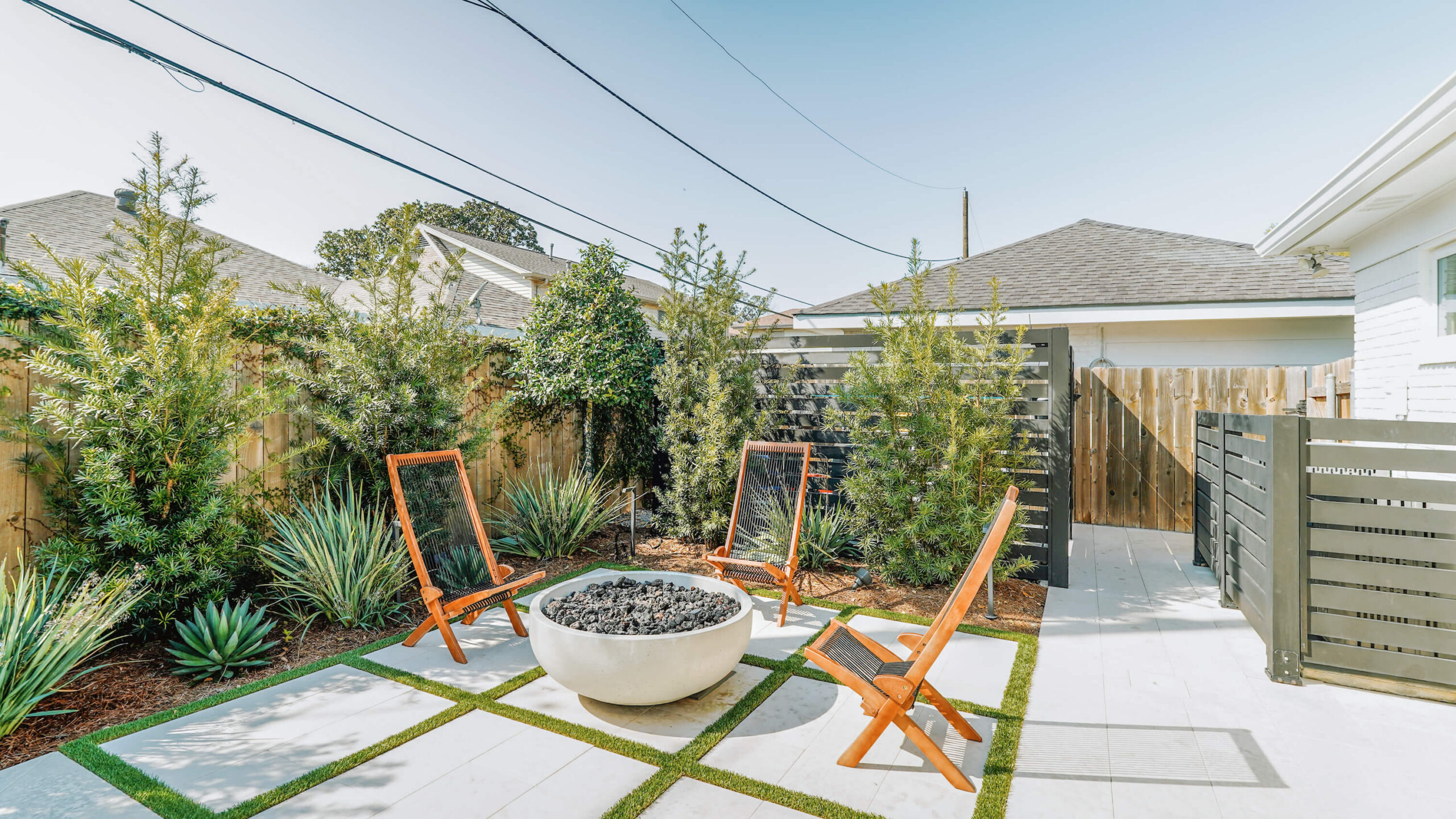
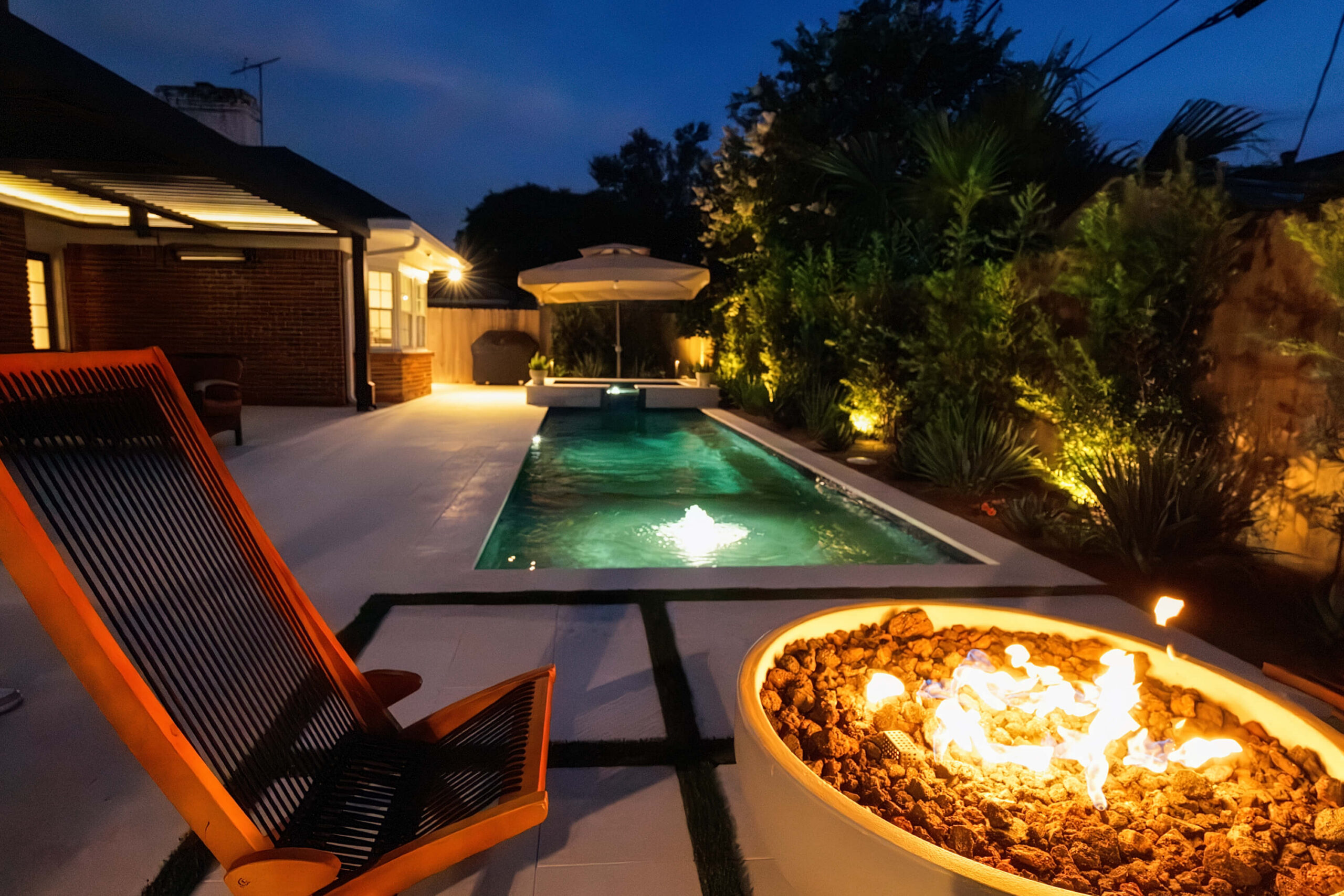
For outdoor projects, the cost picture can get even broader. An outdoor fireplace may need a concrete pad, masonry base, seating wall, patio tie-in, drainage work, lighting, or a full outdoor kitchen layout. Once that happens, the fireplace becomes part of a larger space rather than a standalone feature.
If you’re planning a full backyard upgrade, Miller Outdoors can tie the fireplace into Landscape Design & Installation, Outdoor Living Spaces Design & Construction, or Pool Design & Construction. For early budget planning, the Landscape Design Cost Calculator is a helpful place to start.
10. Custom Features Add the Final Layer to Fireplace Installation Cost
The last factor is customization. Remote controls, smart controls, built-in storage, wood boxes, decorative media, custom mantels, matching patio features, seating walls, lighting, and privacy screens all add to the final number. None of these are bad choices. They just need to fit the goals for the space.
A fireplace should feel like it belongs with the rest of the home or backyard. If the plan is to create a space that gets used for family time, holidays, and quiet evenings, then the install should match that goal from day one.
Quick Recap of What Affects Fireplace Installation Cost
- Type of fireplace: Gas, wood-burning, electric, and inserts all have different install paths. That changes labor, materials, and utility needs right away.
- New build or retrofit: A new opening usually costs more than working with an existing fireplace. Older structures can still bring repair costs if the base is worn out.
- Venting and chimney work: Short and simple vent routes usually cost less. Long runs, roof work, or chimney upgrades can raise the price fast.
- Utility connections: New gas or electric work adds labor and permit steps. This can be a major part of the total in homes that are not already set up.
- Finish materials and custom options: The surround, hearth, mantel, and built-ins often shape the final price just as much as the fireplace unit itself.
Contact Miller Outdoors for Fireplace Installation in Louisiana
If you’re weighing fireplace installation cost for a new project, the best next step is a real plan built around your space. Miller Outdoors can help map out the fireplace, the finish details, and the rest of the outdoor layout so the final result feels right and functions well.
Call Miller Outdoors at (504) 452-3131, visit the Contact Page, or Schedule Your Discovery Call to talk through your project. A fireplace should do more than fill a wall. It should make the whole space better.
FAQs About Fireplace Installation Cost
What is the average fireplace installation cost?
The average fireplace installation cost depends on the fireplace type, venting needs, finish materials, and labor. A simple unit with basic finish work may cost far less than a custom stone fireplace tied into a full indoor or outdoor remodel.
Does the cost to install wood burning fireplace systems run higher?
In many cases, yes. Wood-burning fireplaces often need a chimney or flue system, more clearance planning, and more structural work. That can push the price above a basic electric setup or some insert jobs.
What affects the cost to install gas fireplace insert units?
The main drivers are the size of the existing opening, venting path, gas line access, code work, and finish repairs around the opening. If the old fireplace is in good shape, the install may be more straightforward.
Is an outdoor fireplace more expensive than an indoor fireplace?
It can be. Outdoor fireplaces often tie into patio work, masonry, seating, lighting, drainage, and full backyard design. The fireplace may be one piece of a much larger project.
Can Miller Outdoors help plan the full space around the fireplace?
Yes. Miller Outdoors builds complete outdoor environments, so the fireplace can be planned as part of the whole yard rather than treated like an afterthought.